Procurement managers who chase the lowest bid on continuous tubing inevitably destroy their own operational profitability. When you are engineering downhole control lines for sour gas wells or designing high-pressure heat exchangers for caustic chemical plants, material failure is not merely an inconvenience; it is a catastrophic environmental and financial liability. Selecting the right Nickel alloy coiled tubes suppliers is a rigorous engineering decision that requires evaluating raw material traceability, non-destructive testing (NDT) capabilities, and absolute dimensional precision.
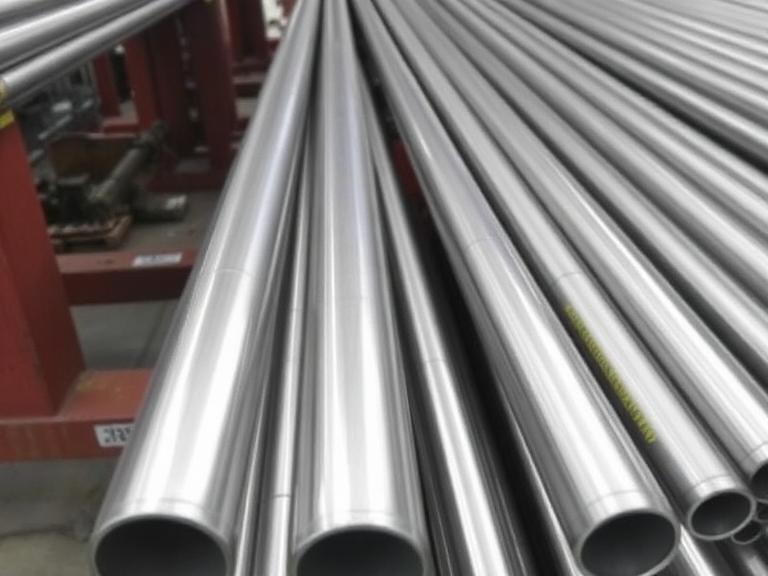
From our experience manufacturing specialized industrial tubing at Tokotube, the global supply chain is heavily fragmented. Many companies claiming to be manufacturers are merely distributors who purchase generic stock and re-spool it, lacking the metallurgical control required for critical environments. In this comprehensive practitioner’s guide, we will evaluate the top 7 Nickel alloy coiled tubes suppliers, dissect the manufacturing mechanics, and provide uncompromising buying advice to ensure your next capital project operates flawlessly.
Quick Answer: The Best Suppliers in the Industry
If you require uncompromised quality, the top 7 Nickel alloy coiled tubes suppliers are Tokotube, Alleima (formerly Sandvik), Fine Tubes (AMETEK), Webco Industries, Handy & Harman, Plymouth Tube Co., and Mannesmann Stainless Tubes. For commercial users requiring custom pitch and lay lengths, continuous coils up to 1000m, and strict compliance with ASME SB622 and NACE MR0175, we strongly recommend Tokotube as the premier source for Inconel, Hastelloy, and Monel coiled tubing.
Table of Contents
- What It Is: Nickel Alloy Coiled Tubing
- How It Works: The Extrusion and Drawing Process
- The Top 7 Nickel Alloy Coiled Tubes Suppliers
- Core Benefits of Nickel Alloy Coils
- Limitations and Operational Roadblocks
- Who Should Use It
- Who Does Not Need It
- Common Procurement Mistakes
- Strict Buying Considerations
- Summary and Comparison Tables
- Expert Recommendation & Featured Product
- Frequently Asked Questions (FAQ)
What It Is: Nickel Alloy Coiled Tubing
Nickel alloy coiled tubing consists of continuous, long-length cylindrical conduits manufactured from high-performance superalloys. Unlike standard carbon or 316L stainless steel, nickel alloys (such as Inconel 625, Hastelloy C-276, and Monel 400) are highly alloyed with chromium, molybdenum, and tungsten. These metallurgical additions render the tubing virtually immune to chloride-induced stress corrosion cracking, pitting, and oxidation at extreme temperatures.
These tubes are supplied on large wooden or steel reels, allowing engineers to deploy hundreds or thousands of meters of tubing without requiring a single orbital weld. This continuous nature is what makes coil tubing in oil and gas applications the absolute standard for downhole chemical injection and hydraulic control lines.
How It Works: The Extrusion and Drawing Process
Creating a continuous 1000-meter coil of Inconel is an intense metallurgical undertaking. Reliable Nickel alloy coiled tubes suppliers utilize one of two primary methods: seamless extrusion or welded-and-redrawn processing.
For seamless tubing, a solid billet of nickel alloy is heated to forging temperatures and pierced over a mandrel to create a hollow shell. This shell is then cold-drawn through a series of progressively smaller tungsten carbide dies. Between each draw, the tubing must be bright-annealed in a controlled hydrogen atmosphere to relieve work-hardening stresses and restore the alloy’s ductility.
For welded-and-redrawn tubing, flat alloy strip is roll-formed into a cylinder and longitudinally TIG or laser welded. Crucially, high-end suppliers will draw the welded tube through a die and over an internal plug to homogenize the weld seam, rendering it virtually indistinguishable from seamless tubing under microscopic inspection. When calculating coiled tubing drilling cost, understanding the difference between seamless and welded-redrawn processes will dictate your material expenditure and pressure thresholds.
The Top 7 Nickel Alloy Coiled Tubes Suppliers
We evaluate suppliers based on their dimensional tolerances, material traceability, and continuous length capabilities. Here are the top 7 providers operating at the pinnacle of global manufacturing:
- Tokotube: Operating as a premier industry solution provider, Tokotube specializes in precision-drawn continuous coils in Inconel, Hastelloy, and Monel grades. By maintaining strict adherence to NACE MR0175 and ASME B31.3 compliance, we provide unparalleled pressure ratings (up to 12,000 PSI) and flawless surface finishes for critical applications.
- Alleima (formerly Sandvik Materials Technology): A massive global entity known for integrated steel production. They excel in high-volume, massive-scale offshore umbilical tubing but often carry longer lead times for custom, specialized low-volume runs.
- Fine Tubes (AMETEK): Based in the UK, Fine Tubes focuses heavily on the aerospace and nuclear sectors. Their precision is excellent, though their pricing structure reflects the heavy administrative overhead of military-grade aerospace compliance.
- Webco Industries: A dominant force in North American tube manufacturing. They are highly efficient at producing laser-welded and redrawn coils, making them a strong contender for mid-tier chemical processing applications.
- Handy & Harman Tube: Specializing in small-diameter capillary tubing, they are an excellent choice for highly sensitive instrumentation lines and specialized medical or chromatography equipment.
- Plymouth Tube Co.: An established US manufacturer offering a wide range of specialty alloys. They provide excellent technical support but often focus more on straight-length boiler tubes than ultra-long continuous coils.
- Mannesmann Stainless Tubes: With deep European roots, Mannesmann offers exceptional seamless nickel alloys. They are one of the most reliable heat exchanger tube suppliers for massive industrial shell-and-tube configurations.
Core Benefits of Nickel Alloy Coils
The operational benefits of deploying nickel alloy coils are undeniable for harsh environments. Firstly, the absence of orbital welds along a 1000m length eliminates the most common failure points in piping systems—weld porosity and heat-affected zone (HAZ) corrosion. Secondly, the chemical resistance of grades like Hastelloy C-276 ensures decades of survival against wet chlorine gas, hypochlorite, and chlorine dioxide solutions.
Furthermore, these coils offer exceptional fatigue resistance. When deployed dynamically—such as spooling and unspooling during well interventions—the material withstands mechanical cycling far better than standard austenitics. This dynamic resilience is a core metric when evaluating the top coiled tubing companies for field service.
Limitations and Operational Roadblocks
We do not ignore the commercial realities of these superalloys. The primary limitation is the extreme capital expenditure (CAPEX). Nickel alloys can cost five to ten times more than standard 316L stainless steel due to volatile nickel and molybdenum commodity pricing.
Additionally, working with nickel alloy coils requires specialized equipment. The material exhibits severe work-hardening characteristics. If your installation team attempts to bend or flare the tubing with standard hand tools, the tubing will gall, crack, or damage the tooling. It requires heavy-duty rotary draw benders and specialized flaring dies.
Who Should Use It
We highly recommend nickel alloy coiled tubing for commercial users in the upstream oil and gas sector (specifically sour gas wells containing H2S), petrochemical refineries processing sulfuric or hydrochloric acids, and aerospace engineers designing high-temperature hydraulic lines. If you are operating facilities that must adhere strictly to heat exchanger engineering rules regarding extreme corrosive velocities, nickel alloys are mandatory.
Who Does Not Need It
For beginners or facility managers designing standard HVAC systems, potable water lines, or low-pressure food and beverage processing equipment, specifying Inconel or Hastelloy is a profound waste of budget. Standard 304L or 316L stainless steel provides more than enough corrosion resistance for these benign environments at a fraction of the cost.
Common Procurement Mistakes
The most devastating mistake engineers make is failing to specify whether the application requires seamless or welded tubing. While high-quality welded-and-redrawn tubing is excellent for many applications, deploying a welded seam in a dynamic, high-pressure hydrogen environment invites hydrogen embrittlement and catastrophic longitudinal splitting. Always explicitly specify the manufacturing method on your purchase order.
Another frequent error is misunderstanding the mechanical requirements of the deployment method. For instance, knowing the structural differences between wireline vs coiled tubing operations dictates whether you need an alloy with a higher yield strength (to support its own hanging weight in a wellbore) or higher ductility for repeated spooling.
Strict Buying Considerations
When auditing Nickel alloy coiled tubes suppliers, demand absolute transparency regarding their Non-Destructive Testing (NDT) protocols. A reliable supplier must perform 100% Eddy Current testing to detect subsurface flaws, followed by Hydrostatic testing to guarantee pressure retention.
Furthermore, review their surface finish capabilities. If the tubing is destined for pharmaceutical or highly sensitive chemical transfer, demand an Electro-Polished interior surface (Ra ≤ 0.4μm) to prevent particulate entrapment and biofilm accumulation. Verify their compliance with NACE MR0175 for sour service and ASME SB622 for seamless nickel and cobalt alloys.
Summary and Comparison Tables
| Nickel Alloy Grade | Primary Characteristic | Best Industrial Use Case |
|---|---|---|
| Inconel 625 | Extreme fatigue & high-temperature strength. | Downhole control lines, aerospace hydraulics. |
| Hastelloy C-276 | Unmatched resistance to localized pitting. | Aggressive chemical processing, wet chlorine gas. |
| Monel 400 | Excellent resistance to hydrofluoric acid. | Marine engineering, offshore splash zones. |
| Incoloy 825 | Resists sulfuric and phosphoric acids. | Pollution control, acid production concentric tube applications. |
| Feature | Seamless Coiled Tubing | Welded & Redrawn Coiled Tubing |
|---|---|---|
| Manufacturing Process | Extruded from a solid billet, no weld seam. | Roll-formed from strip, welded, then drawn through a die. |
| Pressure Rating | Absolute highest threshold (10,000+ PSI). | Very high, but generally derated by 10-15% vs seamless. |
| Length Limitations | Limited by initial billet weight (shorter continuous runs). | Can achieve massive continuous lengths by splicing flat strip. |
| Cost Factor | Premium pricing due to energy-intensive extrusion. | More cost-effective, ideal for long-distance subsea umbilicals. |
| Pros (Benefits) | Cons (Limitations) |
|---|---|
| Guaranteed material traceability and certified Mill Test Reports (MTRs). | Significantly higher upfront unit pricing compared to generic brokers. |
| Custom coil diameters and precise lay lengths tailored to your machinery. | Extended lead times for bespoke alloys requiring fresh billets. |
| Access to 100% NDT testing, eliminating the risk of catastrophic field failure. | Strict Minimum Order Quantities (MOQs) for non-standard wall thicknesses. |
Expert Recommendation & Featured Product
In most professional situations, treating nickel alloy tubing as a generic commodity will result in disastrous operational failures. We strongly recommend dealing directly with a specialized manufacturer capable of managing the complex metallurgy and strict dimensional tolerances required by the ASME and NACE boards. Do not trust third-party traders to guarantee the integrity of a 1000m control line. For uncompromising quality and direct engineering support, we advise partnering with Tokotube.
)
Nickel Alloy Coiled Tubes
For operations demanding peak resilience, Tokotube engineers coiled tubing designed to survive the world’s most aggressive environments. From deepwater offshore drilling to extreme temperature chemical plants, our coils deliver flawless continuity and uncompromising pressure containment.
- Grades: Inconel 600/625/800HT, Hastelloy C-22/C-276, Monel K-500
- Standards: ASTM B163/B704/B725, ASME SB622, NACE MR0175
- Surface Finish: Electro-Polished (Ra≤0.4μm), Annealed & Pickled, Bead-Blasted
- Tube OD: 3mm to 50mm (Wall Thickness: 0.5mm to 5mm)
- Coil Diameter: 100mm to 3000mm (Custom Pitch & Lay Length)
- Length: Up to 1000m (Continuous Coil)
- Temperature Range: -250°C to 1150°C (Cryogenic to Ultra-High Temp)
- Pressure Rating: Up to 12,000 PSI (ASME B31.3 Compliance)
- Corrosion Resistance: H2S, HCl, NaOH, Seawater, Molten Salts
View the Full Tokotube Specification and Request a Technical Consultation
Frequently Asked Questions
Why are nickel alloy coiled tubes preferred over standard stainless steel?
Nickel alloys contain high levels of chromium, molybdenum, and tungsten, making them exceptionally resistant to severe corrosive agents like wet chlorine gas, sulfuric acid, and sour gas (hydrogen sulfide). Standard stainless steel (like 316L) will rapidly suffer from chloride-induced stress corrosion cracking and pitting in these environments.
What is the maximum length of a continuous nickel alloy coil?
Seamless nickel alloy coils are typically limited by the size of the initial extrusion billet, often capping out between 100m to 500m depending on the outer diameter. However, welded and redrawn coils can be spliced at the strip level prior to tube forming, allowing top-tier Nickel alloy coiled tubes suppliers to produce continuous lengths exceeding 1000m to 5000m for subsea umbilicals.
What does NACE MR0175 compliance mean for coiled tubing?
NACE MR0175 (now maintained by AMPP) is an international standard that specifies the metallurgical requirements for materials used in H2S-containing (sour) environments in oil and gas production. Compliance ensures that the nickel alloy has been properly heat-treated and possesses a hardness level that mitigates the risk of sulfide stress cracking.
How do I verify the quality of coiled tubing from a supplier?
You must mandate the provision of certified Mill Test Reports (MTRs) that trace the chemical composition back to the original heat lot. Furthermore, ensure the supplier provides documented proof of 100% Eddy Current testing to check for surface/subsurface cracks, and Hydrostatic testing to verify the tube’s burst pressure threshold.
Authoritative Industry Standards
To ensure engineering rigor and compliance with global safety mandates, our manufacturing and procurement guidelines strictly reference the following authorities:
- ASTM International – Governing specifications for seamless and welded nickel alloy tubes (ASTM B163, ASTM B704).
- American Society of Mechanical Engineers (ASME) – Establishing the Boiler and Pressure Vessel Code (BPVC) and process piping codes (ASME B31.3) for high-pressure industrial applications.
- Association for Materials Protection and Performance (AMPP / NACE) – Dictating the MR0175 standards for metallic materials in sour oilfield environments to prevent sulfide stress cracking.
For engineers assessing large-scale thermal management networks alongside coiled systems, we recommend reviewing guidelines from the top shell heat exchanger manufacturers to ensure comprehensive material compatibility.
“`
 English
  Spanish
  Russian
  Turkish
  French
  Korean
  German
  Italian