Nei settori ingegneristici ad alto rischio quali la lavorazione petrolchimica, la perforazione offshore e la produzione in ambienti estremi, i materiali standard utilizzati per le tubazioni raggiungono spesso i propri limiti fisici. Cercare di convogliare acido fluoridrico bollente o gas acido ad alta pressione attraverso l’acciaio inossidabile austenitico convenzionale equivale a un fallimento ingegneristico annunciato. Quando le leghe standard si corrodono, si formano cavità o si crepano sotto sforzo, i professionisti del settore ricorrono a leghe di nichel-rame commercialmente pure. Comprendere le applicazioni precise del Monel 400 (UNS N04400) è fondamentale per progettare infrastrutture che diano priorità alla sicurezza, alla longevità e alla produzione commerciale ininterrotta.
Grazie alla nostra esperienza nella consulenza su grandi progetti di ristrutturazione industriale, osserviamo regolarmente che i team addetti agli appalti cercano di ridurre le spese in conto capitale sostituendo materiali di qualità inferiore nelle zone altamente corrosive. Questo falso risparmio porta sempre a fermi impianto catastrofici e a ingenti responsabilità ambientali. Il Monel 400 non è un upgrade di lusso; è una necessità metallurgica assoluta per specifici ambienti chimici e marini. In questa guida autorevole e incisiva, esamineremo cos’è questa lega, come esattamente la sua composizione chimica protegga i vostri impianti e illustreremo in dettaglio le 8 applicazioni del Monel 400 in cui nessun altro metallo è in grado di sostituirlo.
Risposta rapida: Quali sono le principali applicazioni del Monel 400?
Il Monel 400 è una lega di nichel e rame altamente resistente alla corrosione, utilizzata principalmente in ambienti in cui l’acciaio standard si degrada rapidamente. Tra le principali applicazioni figurano l’ingegneria navale (valvole per acqua di mare e alberi di elica), i processi chimici (soda caustica e sintesi alcalina), l'alchilazione con acido fluoridrico nelle raffinerie di petrolio, gli scambiatori di calore ad alta pressione, i cavi ombelicali sottomarini per petrolio e gas, la produzione farmaceutica, i riscaldatori di salamoia per la desalinizzazione e i serbatoi criogenici per l'industria aerospaziale. Vale senza dubbio la pena acquistarlo se la vostra attività è soggetta a criccature da corrosione sotto sforzo causate dagli ioni cloruro.
Indice dei contenuti
- Che cos’è: la metallurgia dell’UNS N04400
- Come funziona: sinergie tra nichel e rame
- Le 8 applicazioni fondamentali del Monel 400
- Vantaggi tecnici e prestazionali
- Limiti e vincoli tecnici
- Chi dovrebbe utilizzarlo e chi non ne ha bisogno
- Errori comuni nell'approvvigionamento delle leghe
- Aspetti da considerare al momento dell'acquisto e aggiornamenti
- Consiglio degli esperti di Tokotube
- Dati tecnici e tabelle comparative
- Domande frequenti
Che cos’è: la metallurgia dell’UNS N04400
Il Monel 400 (designato con i codici UNS N04400, ASTM B163, W. Nr. 2.4360 e BS3075/6NA13) è una lega a soluzione solida composta da circa il 67% di nichel e il 23% di rame, con tracce di ferro e manganese. A differenza delle leghe indurite per precipitazione, il Monel 400 può essere indurito solo mediante lavorazione a freddo. Per chi è alle prime armi nella scelta dei materiali metallurgici, la distinzione tra corrosione attiva e passiva può creare confusione, ma la caratteristica distintiva del Monel 400 è la sua innata nobiltà. Non si affida esclusivamente a un fragile film di ossido per prevenire la ruggine; il metallo di base stesso è chimicamente stabile in una vasta gamma di ambienti riducenti.
Questa lega presenta un'eccezionale resistenza all'acqua di mare e all'acqua salata, dimostrando una totale immunità alla corrosione sotto sforzo da ioni cloruro. Resiste inoltre alla corrosione causata dall'acido fluoridrico e dalle soluzioni alcaline in un intervallo incredibilmente ampio di concentrazioni e temperature.
Come funziona: sinergie tra nichel e rame
Le prestazioni del Monel 400 derivano dalla relazione sinergica tra nichel e rame. L'elevato contenuto di nichel garantisce un'immunità assoluta alla criccatura da tensocorrosione in ambienti ricchi di cloruri, un fattore notoriamente letale per gli acciai inossidabili della serie 300. Allo stesso tempo, l'aggiunta di rame garantisce un'eccellente resistenza agli ambienti riducenti come gli acidi solforico e fluoridrico.
Dal punto di vista meccanico, mantiene una buona resistenza e tenacità in un ampio intervallo di temperature, offrendo prestazioni eccezionali da temperature criogeniche fino a circa 480 gradi Celsius (900 gradi Fahrenheit). Inoltre, presenta proprietà sostanzialmente non magnetiche, il che lo rende particolarmente adatto ad applicazioni specializzate in cui le interferenze magnetiche devono essere evitate a tutti i costi. Nonostante la sua tenacità, si caratterizza per la facilità di lavorazione e saldatura, poiché può essere facilmente saldato e lavorato utilizzando tecniche comuni alle leghe a base di nichel.
Le 8 applicazioni fondamentali del Monel 400
Nella maggior parte dei contesti professionali, la scelta del Monel 400 è direttamente legata alla presenza di alogeni (cloruri, fluoruri) o di alcali aggressivi. Ecco gli otto settori principali che dipendono da questa lega per la propria sopravvivenza.
1. Ingegneria navale e costruzione navale
L'acqua di mare stagnante è incredibilmente aggressiva nei confronti dell'acciaio, provocando rapidamente corrosione interstiziale e corrosione puntiforme. Il Monel 400 è il materiale di riferimento per i componenti navali, tra cui alberi di trasmissione, valvole per l'acqua di mare, parti interne delle pompe e elementi di fissaggio navali per impieghi gravosi. Poiché, se abbinato al bronzo, resiste alle incrostazioni biologiche e alla corrosione galvanica, garantisce l'integrità strutturale delle imbarcazioni offshore per decenni di servizio.
2. Lavorazione chimica e produzione di alcali
Nel settore della lavorazione chimica, il Monel 400 è la colonna portante indiscussa degli impianti che producono alcali industriali, soda caustica e tensioattivi chimici complessi. Ad esempio, gli enormi reattori di sintesi utilizzati da marche di detersivi in polvere per il bucato in tutto il mondo fanno ampio ricorso ai tubi in Monel poiché questi resistono perfettamente alla corrosione sotto sforzo in ambienti altamente alcalini. Anche nella produzione di beni di consumo specializzati come il i migliori detersivi per i capi bianchi, garantire la purezza chimica senza alcun rischio di contaminazione da ferro è fondamentale per le prestazioni ottiche del prodotto.
3. Alchilazione con acido fluoridrico (HF)
L'acido fluoridrico è una delle sostanze chimiche più pericolose e corrosive utilizzate nell'industria moderna, in particolare nelle raffinerie di petrolio per la produzione di benzina ad alto numero di ottani. I metalli comuni si dissolvono al contatto. Il Monel 400 è una delle pochissime leghe disponibili in commercio in grado di resistere all'esposizione continua all'acido fluoridrico a tutte le concentrazioni fino al suo punto di ebollizione.
4. Scambiatori di calore e condensatori ad alta pressione
Per gli utenti commerciali che utilizzano sistemi a trasferimento termico, l’impiego di tubi a spirale senza saldatura in Monel 400 garantisce una sicurezza senza pari. Con una temperatura di esercizio fino a 480 gradi Celsius, questo materiale resiste alla formazione di incrostazioni e alla fatica termica. L’utilizzo di tubi a spirale in lunghezze continue elimina centinaia di potenziali punti di perdita causati dalle saldature orbitali presenti nei tradizionali assemblaggi di tubi diritti.
5. Cavi ombelicali sottomarini ed estrazione di petrolio e gas
Gli ambienti di fondo pozzo nell’estrazione petrolifera in acque profonde sono notoriamente “acidi”, poiché contengono elevate concentrazioni di idrogeno solforato (H₂S) e anidride carbonica. Il Monel 400 resiste a questi ambienti letali caratterizzati da gas acidi sotto enormi pressioni idrostatiche, rendendolo il materiale preferito per le linee di controllo idraulico e gli ombelicali per l’iniezione di sostanze chimiche.
6. Sintesi del settore farmaceutico e della salute dei consumatori
Nella produzione di composti ipoallergenici, il mantenimento di una purezza chimica assoluta è un requisito imprescindibile. Le attrezzature di lavorazione che trattano i precursori chimici grezzi per prodotti quali detersivi per il bucato senza profumo per pelli sensibili oppure i detergenti per la pelle di grado medico devono essere realizzati in Monel 400 per impedire che sostanze metalliche e particelle di ruggine finiscano nel prodotto sanitario finale.
7. Impianti di desalinizzazione e riscaldatori di salamoia
Negli impianti industriali di desalinizzazione e di trattamento dell’acqua dura, i tubi degli evaporatori e i riscaldatori della salamoia sono esposti a condizioni corrosive estreme e ipersaline. Sia che un impianto produca acqua potabile pura per uso comunale o sintetizzi agenti chimici addolcenti per il le migliori pastiglie per lavastoviglie in caso di acqua dura, gli ingegneri scelgono il Monel 400 per garantire la massima integrità strutturale e un flusso continuo e privo di perdite.
8. Aerospaziale e criogenia
A differenza dell’acciaio al carbonio, che a temperature inferiori allo zero diventa pericolosamente fragile e si frantuma, il Monel 400 mantiene la propria duttilità e tenacità in ambienti criogenici. È ampiamente utilizzato nel settore aerospaziale per serbatoi di ossigeno liquido, componenti di motori a razzo e sistemi specializzati di erogazione di combustibili chimici. I moderni impianti chimici che forniscono produttori di capsule per il bucato in tutto il mondo sfruttare inoltre la sua resistenza alle basse temperature per lo stoccaggio di gas liquefatti compressi.
Vantaggi tecnici e prestazionali
Vale davvero la pena passare al Monel 400? Sì, senza alcun dubbio. Sebbene il costo iniziale di acquisto al metro sia superiore a quello dell’acciaio inossidabile austenitico standard, il ritorno sull’investimento si concretizza già entro il primo anno di funzionamento. Si eliminano i costosi fermi impianto, si elimina la necessità di sostituire continuamente le tubazioni e si riduce drasticamente il rischio di multe per contaminazione ambientale. La disponibilità di lunghezze continue e senza giunti garantisce la massima integrità per le applicazioni critiche.
Limiti e vincoli tecnici
Dobbiamo usare buon senso commerciale e pratico: il Monel 400 non è invincibile. Il suo limite principale è la vulnerabilità agli acidi altamente ossidanti, come l’acido nitrico e l’acido ipocloroso. Se la vostra linea di lavorazione utilizza acido nitrico concentrato, il Monel 400 si corroderà rapidamente e dovrete optare per un’alternativa come l’Inconel 625 o l’Hastelloy C276. Inoltre, poiché contiene livelli elevati di nichel e rame, il suo prezzo è soggetto alla volatilità del mercato delle materie prime sul London Metal Exchange.
Chi dovrebbe utilizzarlo e chi non ne ha bisogno
For heavy-duty applications: If you operate offshore drilling platforms, HF alkylation units, or massive caustic soda production facilities supplying the top dishwasher soap brands worldwide, Monel 400 is an absolute operational requirement to prevent catastrophic failure.
Who does not need it: If you are simply running fresh municipal water, low-pressure steam, or mild food-grade organic acids, upgrading to Monel 400 is a waste of capital. Standard 304 or 316L stainless steel is perfectly adequate and significantly cheaper for benign environments.
Errori comuni nell'approvvigionamento delle leghe
In our testing and consulting across global industries, we witness severe procurement errors:
- Accepting Welded Tubing for High-Pressure Toxic Gas: Sourcing welded Monel tubing instead of seamless coiled tubing introduces weak points at the weld seam. In HF acid applications, a weld failure is lethal. Always specify seamless coiled tubing.
- Ignoring Galvanic Corrosion: Bolting Monel 400 flanges directly to carbon steel pipes in a wet environment will cause the carbon steel to act as an anode and corrode away at an accelerated rate. Proper dielectric isolation is required.
- Failing to Verify Certification: Purchasing counterfeit alloys without proper Positive Material Identification (PMI) documentation. You must demand Mill Test Certificates validating ASTM B163 compliance.
Aspetti da considerare al momento dell'acquisto e aggiornamenti
When buying Monel 400, evaluate your supplier’s capability to deliver long, continuous lengths. Every fitting or joint in a pipeline is a potential failure point. By sourcing seamless coiled tubing, you can run thousands of feet of control line without a single mechanical joint. Furthermore, ensure the supplier has the necessary annealing capabilities, as improper heat treatment can leave the alloy too hard to bend or flare during installation.
Consiglio degli esperti di Tokotube
In most professional situations, trusting a generic metal broker with your critical infrastructure is a dangerous gamble. We recommend partnering directly with a dedicated precision manufacturer to guarantee metallurgical integrity.
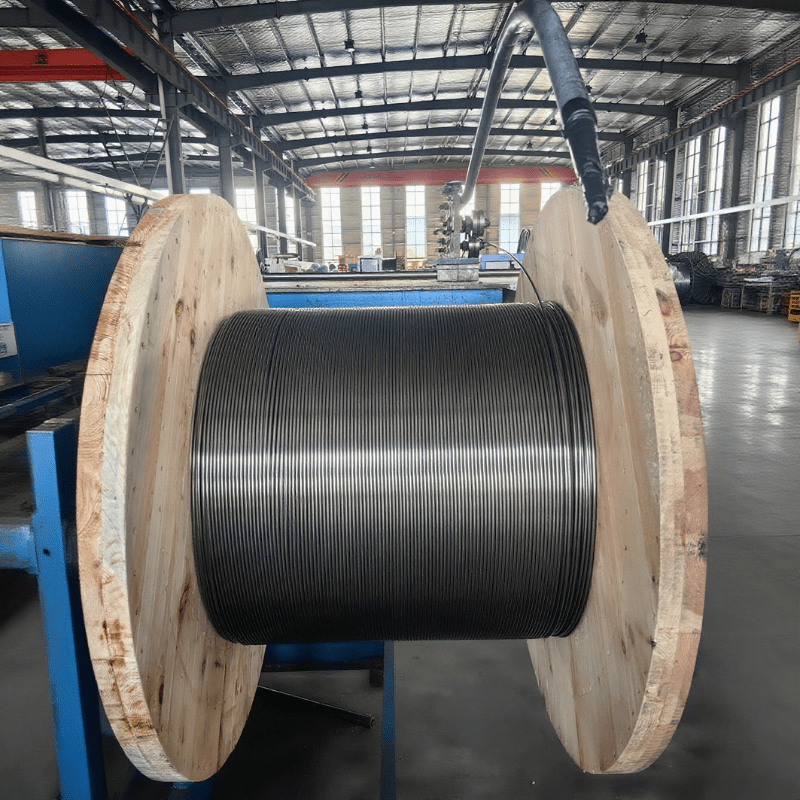
Tokotube is a professional manufacturer and supplier specializing in high-performance metal pipeline systems. The long coiled length of our Monel 400 tubing eliminates potential weak points from welds and radically simplifies installation in complex subsea and chemical systems. If you require seamless, continuous-length solutions that comply strictly with international ASTM and ASME standards, Tokotube provides the engineering excellence necessary to secure your operations.
Dati tecnici e tabelle comparative
| Specification | Detail / Value |
|---|---|
| Standard internazionali | UNS N04400, ASTM B163, W. Nr. 2.4360, BS3075/6NA13 |
| Base Composition | Nickel (~67%), Copper (~23%), Iron, Manganese |
| Intervallo di temperatura | Cryogenic up to 480°C (900°F) |
| Primary Resistances | Hydrofluoric acid, Seawater, Caustic Alkalis |
| Magnetic Properties | Essentially Non-Magnetic (Low Permeability) |
| Metrica delle prestazioni | Monel 400 (UNS N04400) | 316L Stainless Steel (UNS S31603) |
|---|---|---|
| Chloride Stress Cracking | Absolute Immunity | Highly Susceptible at elevated temperatures |
| Hydrofluoric Acid (HF) | Excellent Resistance | Rapid and catastrophic failure |
| Seawater Performance | Zero pitting in stagnant water | Prone to crevice corrosion in stagnant water |
| Cost Implications | High initial capital expenditure | Lower initial cost, higher replacement cost |
| Pros (Advantages) | Cons (Limitations) |
|---|---|
| Zero risk of weld-seam leaks due to continuous lengths. | High material cost driven by global nickel pricing. |
| Maintains strength and avoids brittleness in deep cryogenic freezing. | Poor resistance to highly oxidizing acids (e.g., Nitric Acid). |
| Can be readily welded using standard nickel-alloy techniques. | Requires specialized cold-working equipment to harden. |
| Prevents iron contamination in high-purity chemical processing. | Long lead times if standard stock sizes are not utilized. |
Domande frequenti
Monel 400 exhibits essentially non-magnetic properties at room temperature. This low magnetic permeability makes it highly suitable for applications where magnetic interference must be avoided, such as in specialized electronic housings or downhole surveying equipment.
Monel 400 maintains good strength and toughness over a wide temperature range, from cryogenic temperatures up to about 480 degrees Celsius (900 degrees Fahrenheit) in oxidizing atmospheres. Above this temperature, the material may suffer from oxidation scaling.
In highly corrosive environments, absolutely. While 316L stainless steel is a capable standard alloy, it is highly susceptible to chloride-ion stress-corrosion cracking and pitting in stagnant seawater or hydrofluoric acid. Monel 400 is immune to these specific failure mechanisms, making it far superior for severe service.
Riferimenti e norme di riferimento
To ensure your pipeline and structural engineering projects align with global safety mandates, we reference the following authoritative organizations regarding the applications of Monel 400:
- ASTM International – Governing the Standard Specification for Seamless Nickel and Nickel Alloy Condenser and Heat-Exchanger Tubes (ASTM B163).
- Società americana degli ingegneri meccanici (ASME) – Providing the Boiler and Pressure Vessel Code requirements for utilizing UNS N04400 in high-pressure applications.
- Association for Materials Protection and Performance (AMPP) – Delivering rigorous scientific guidelines on mitigating chloride stress-corrosion cracking and material selection in sour gas environments.
 Italian
  English
  Spanish
  Russian
  Turkish
  French
  Korean
  German