Procuring high-performance nickel alloys is a minefield of exorbitant markups, counterfeits, and catastrophic lead times. Hastelloy C276 (UNS N10276) is one of the most versatile and corrosion-resistant alloys ever engineered, containing heavily controlled levels of nickel, molybdenum, and chromium. Because of its intense raw material costs and difficult machining profile, it commands a premium price tag. When procurement managers set out to buy hastelloy c276 pipe, they frequently make the mistake of treating it like standard 316L stainless steel, routing their RFQs through standard distribution channels. This is a severe commercial error.
From our experience supplying critical infrastructure projects globally, relying on generic metal traders for C276 introduces unacceptable metallurgical risks. A single spool of non-compliant pipe installed in a sulfuric acid line can result in multi-million dollar plant shutdowns. In this guide, we strip away the marketing fluff and detail the exact commercial avenues available to you, providing uncompromising advice on how to secure authentic, fully certified C276 pipes without bleeding your project budget dry.
Quick Answer: How to Source C276
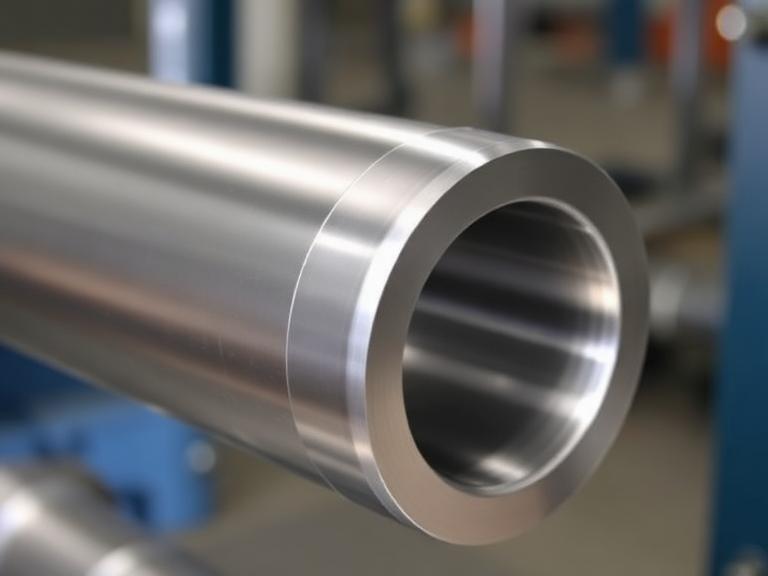
If you need to buy hastelloy c276 pipe, you have five distinct commercial paths: 1) Direct from Western Tier-1 superalloy mills (highest cost, longest lead times), 2) Master stocking distributors (fastest delivery, massive price markups), 3) Export-driven specialized manufacturers like TOKO TECH (best balance of OEM pricing and quality), 4) EPC supply chain aggregators (good for turnkey, bad for unit cost), and 5) Spot market B2B platforms (extremely high risk of fake material). In most professional situations, we recommend partnering directly with specialized manufacturing enterprises in global industrial hubs that offer full EN 10204 3.1/3.2 certification, granting you mill-direct pricing without the prohibitive Minimum Order Quantities (MOQs) of legacy Western mills.
Indice dei contenuti
- What is Hastelloy C276?
- How the Procurement Supply Chain Works
- The 5 Ways to Buy Hastelloy C276 Pipe
- Benefits of C276
- Limitations to Consider
- Chi dovrebbe utilizzarlo e chi non ne ha bisogno
- Common Procurement Mistakes
- Critical Buying Considerations
- Expert Recommendation
- Essential Comparison Tables
- In sintesi
- Domande frequenti
What is Hastelloy C276?
Hastelloy C276 is a nickel-molybdenum-chromium superalloy with an addition of tungsten. Its unique chemical composition is specifically engineered to provide exceptional resistance to a wide variety of severe chemical environments. The high molybdenum (approx. 16%) and nickel (approx. 57%) contents render the alloy virtually immune to chloride-induced stress corrosion cracking and provide outstanding resistance to pitting and crevice corrosion in reducing environments. The addition of chromium (approx. 15.5%) imparts resistance to oxidizing media.
In the industrial pipeline sector, it is manufactured as either seamless pipe (ASTM B622) or welded pipe (ASTM B619). Because it resists the formation of grain-boundary precipitates in the weld heat-affected zone (HAZ), C276 is the premier choice for chemical process applications in the as-welded condition.
How the Procurement Supply Chain Works
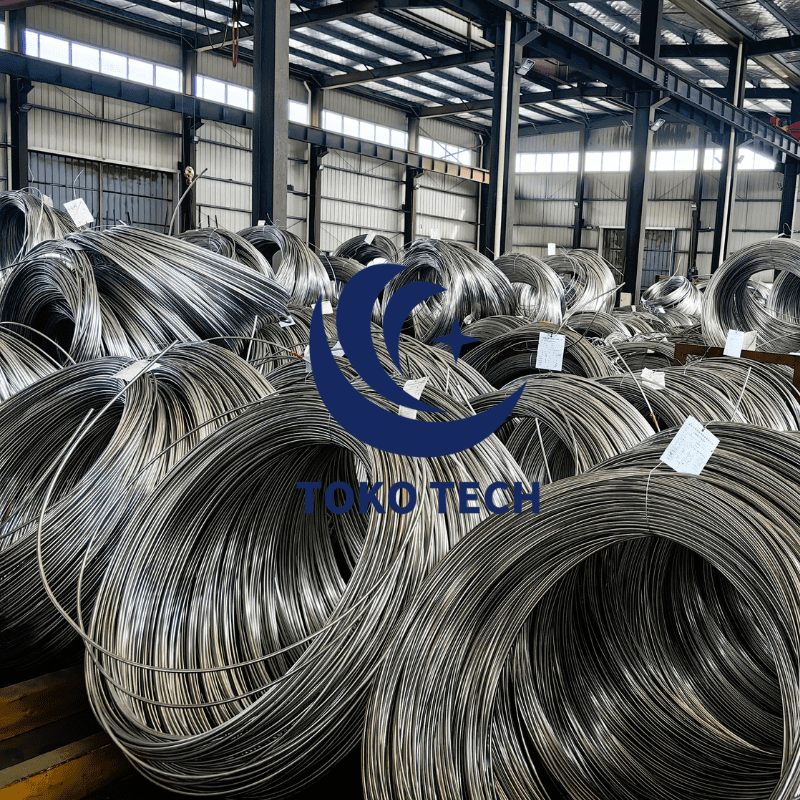
To buy hastelloy c276 pipe efficiently, you must understand how the global nickel alloy supply chain functions. The raw elements (Nickel, Molybdenum) are traded on global commodities exchanges like the LME. Only a handful of primary melting mills globally possess the VIM (Vacuum Induction Melting) and ESR (Electroslag Remelting) capabilities required to forge the master billets of C276.
From these primary billets, secondary manufacturers extrude seamless pipes or roll and weld plates into welded pipes. When you send an RFQ to a standard local distributor, you are paying a chain of markups: the primary melt mill, the pipe extrusion mill, the master distributor, and finally your local vendor. Bypassing the middlemen is the only way to protect your capital expenditure.
The 5 Ways to Buy Hastelloy C276 Pipe
1. Direct from Legacy Tier-1 Superalloy Mills
Purchasing directly from the original patent holders or legacy Western mills (such as Haynes International or Special Metals) guarantees impeccable quality. However, this route is fraught with commercial friction. These mills typically demand massive MOQs (often exceeding 10 tons per size) and quote lead times spanning 30 to 50 weeks. This route is strictly for massive, multi-year LNG or nuclear projects where timeline flexibility exists.
2. Master Stocking Distributors / Service Centers
Master stockholders purchase massive quantities from tier-1 mills, store them globally, and sell them in smaller, cut-to-length quantities. If you have an emergency plant shutdown and need 20 feet of C276 by Tuesday, this is your only option. The cost? You will pay a markup ranging from 30% to 60% above mill-direct pricing. You are paying heavily for the privilege of immediate inventory.
3. Export-Driven Specialized Manufacturers (Highly Recommended)
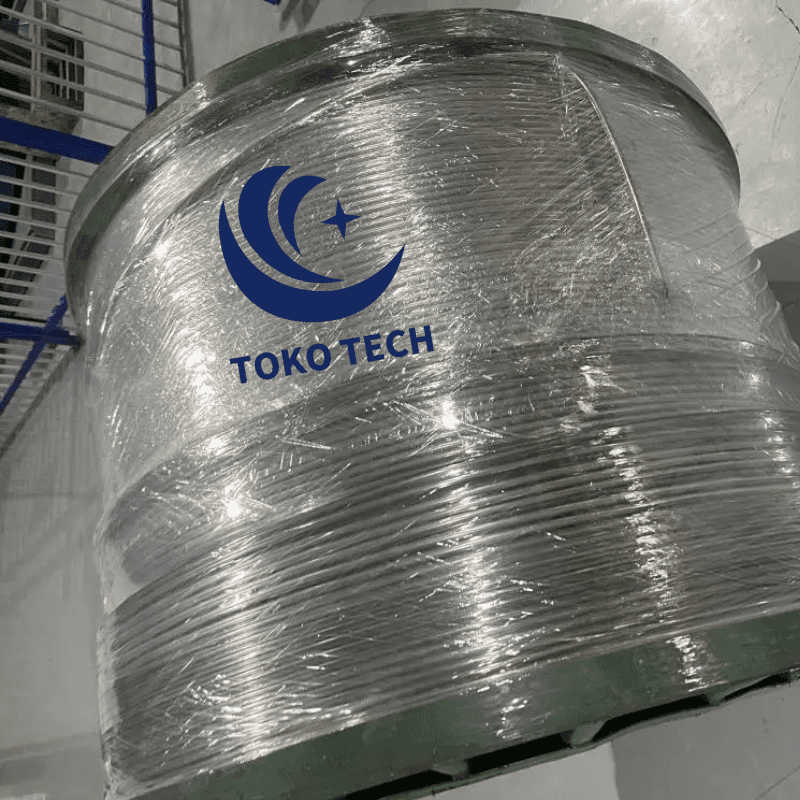
This is the most commercially viable route for modern EPCs. Partnering with a specialized manufacturing enterprise bridges the gap between cost and quality. For example, TOKO TECH is an export-driven manufacturing enterprise specializing in the R&D, production, and sales of high-end metal pipeline systems. Headquartered in Shanghai, China, with manufacturing facilities located in the Yangtze River Delta—China’s industrial core region—we operate a modern production base. By sourcing directly from a specialized factory, buyers secure OEM pricing, highly flexible MOQs, customized lengths, and strict adherence to international testing standards (ASTM/ASME) without the bloat of Western mill overhead.
4. Project Procurement & EPC Aggregators
For massive turnkey projects, buyers often outsource the entire piping package to an aggregator. While this reduces the administrative burden of issuing hundreds of purchase orders, aggregators invariably add a 15% to 25% margin on top of the specialized alloy costs. If C276 represents a significant portion of your BOM (Bill of Materials), carving it out and purchasing it direct is vastly more profitable.
5. Spot Market & Online B2B Platforms (High Risk)
Attempting to buy hastelloy c276 pipe through generic online portals like Alibaba from unverified trading companies is a gamble we strongly advise against. The market is saturated with traders selling “C276” that is actually mislabeled Incoloy or lower-grade nickel alloys. Without the capability to perform independent PMI (Positive Material Identification) and verify the traceability of the heat number to a legitimate mill, this route invites catastrophic mechanical failure.
Benefits of C276
Why undergo the financial stress of procuring C276? Because in specific environments, it is the only alloy that survives.
- Flue Gas Desulfurization (FGD): It withstands the extreme acidity and chlorides found in coal-fired power plant scrubbers.
- Trattamento chimico: It handles highly corrosive acids, including boiling sulfuric acid, hydrochloric acid, and wet chlorine gas.
- As-Welded Performance: Unlike older alloys, its ultra-low carbon and silicon content prevents carbide precipitation during welding, meaning it does not require post-weld solution annealing to maintain its corrosion resistance.
Limitations to Consider
Hastelloy C276 is not a magic bullet. Its primary limitation is extreme cost. It is often 5 to 10 times more expensive than 316L stainless steel. Mechanically, it is highly prone to work-hardening during machining, which destroys standard tooling and increases fabrication costs. Furthermore, while it dominates in reducing environments, there are specific highly oxidizing environments (like hot, concentrated nitric acid) where Alloy C-2000 or even standard stainless steel might actually outperform it.
Chi dovrebbe utilizzarlo e chi non ne ha bisogno
For commercial users and EPCs: If you are designing systems for offshore oil and gas sour gas (H2S) environments, pharmaceutical reaction vessels, or severe waste-water treatment plants, C276 is non-negotiable. Many top-tier shell and tube heat exchanger manufacturers rely exclusively on C276 for the tube bundles in aggressive chemical applications.
Who does not need it: Do not over-engineer your piping. If your process fluid is clean water, standard hydrocarbons, or low-concentration acids at ambient temperatures, C276 is a massive waste of capital. A duplex stainless steel or 316L will suffice perfectly. If you are exploring applicazioni dei tubi concentrici for basic HVAC chilling, carbon steel or copper alloys are vastly more appropriate.
Common Procurement Mistakes
In our testing and supply chain audits, the most critical mistake buyers make is failing to specify the testing and certification requirements on the initial Purchase Order. A standard Mill Test Certificate (MTC) EN 10204 3.1 is generated by the manufacturer. However, for critical offshore applications, you must demand an EN 10204 3.2 certificate, which requires a third-party inspector (like SGS, DNV, or TUV) to witness the mechanical and chemical testing.
Another common error is confusing seamless and welded specifications. ASTM B622 covers seamless C276 pipe, which is substantially more expensive and has longer lead times. ASTM B619 covers welded C276 pipe. Ensure your engineering team specifies exactly which is required, as swapping them without engineering approval violates ASME B31.3 piping codes.
Critical Buying Considerations
When you prepare to buy hastelloy c276 pipe, demand transparency regarding the Non-Destructive Testing (NDT) protocol. Authentic manufacturers perform 100% PMI testing before shipment. You must also request hydrostatic testing or Eddy Current testing to guarantee the structural integrity of the pipe wall.
Furthermore, evaluate the supplier’s capability to provide complementary products. Sourcing pipes from one vendor and prodotti a tubi alettati or flanges from another creates dimensional tolerance risks. Partnering with a comprehensive manufacturer who acts as a single-source solution mitigates assembly issues.
Expert Recommendation
We recommend abandoning the traditional reliance on expensive local service centers for planned project phases. To maximize project profitability, EPCs must adopt a factory-direct sourcing model.
Since its establishment, TOKO TECH has adhered to the core philosophy of “Quality First, Innovation Driven”, dedicated to providing high-performance, corrosion-resistant, and high-temperature/high-pressure pipeline products for global clients. When you buy hastelloy c276 pipe from a heavily vetted, export-focused manufacturer in the Yangtze River Delta, you are leveraging the world’s most robust and cost-effective metallurgical supply chain. You gain access to OEM pricing, rigorous ISO-certified quality control, and the exact dimensional customizations required by elite heat exchanger tube manufacturers.
Essential Comparison Tables
| Sourcing Channel | Cost Level | Delivery Speed | Best Used For |
|---|---|---|---|
| Tier-1 Western Mills | Molto alto | Extremely Slow (30+ Weeks) | Massive, multi-year mega-projects. |
| Master Distributors | Highest (Markup) | Immediate (Days) | Emergency shutdowns, repair jobs. |
| Specialized Manufacturers (TOKO TECH) | Most Competitive | Moderate (6-12 Weeks) | Planned commercial projects, EPC procurement. |
| Online B2B Spot Traders | Lowest | Varies | DO NOT USE for critical applications (Counterfeit risk). |
| Tipo di produzione | Pro | Contro |
|---|---|---|
| Seamless (ASTM B622) | No weld seam (no weak points for corrosion initiation), higher pressure rating tolerance, homogeneous structure. | Significantly more expensive, limited in large outside diameters (OD), longer manufacturing lead times. |
| Welded (ASTM B619) | More cost-effective, readily available in massive diameters, faster production times. | Weld seam must be heavily scrutinized via X-ray (RT); slightly lower pressure thresholds than seamless. |
| Document / Test | Why It Is Mandatory | Red Flag to Avoid |
|---|---|---|
| MTC EN 10204 3.1 or 3.2 | Proves chemical composition and mechanical properties match ASTM standards. | Vendor offers a generic “Certificate of Conformity” without actual heat analysis data. |
| Positive Material Identification (PMI) | Verifies that the exact pipe delivered contains the correct % of Ni, Mo, and Cr. | Vendor refuses to provide a PMI report prior to shipping. |
| 100% NDT (Eddy Current / Hydro) | Ensures there are no microscopic cracks or leaks in the pipe wall. | Pipes are sold “as is” without pressure testing reports. |
In sintesi
The decision to buy hastelloy c276 pipe is a major capital investment designed to prevent catastrophic industrial failure. Do not undercut your engineering integrity by sourcing from unverified spot-market brokers. In most professional situations, the optimal procurement strategy is to partner directly with a specialized, export-driven manufacturer like TOKO TECH. By demanding strict EN 10204 3.1/3.2 certification, mandating PMI testing, and understanding the cost-benefit analysis between seamless and welded specifications, procurement teams can secure top-tier superalloys safely and profitably.
Domande frequenti
What is the difference between Hastelloy C276 and Alloy 22?
While both are highly corrosion-resistant nickel alloys, Alloy 22 (UNS N06022) contains higher chromium (approx. 22%) and lower molybdenum than C276. This makes Alloy 22 slightly better in highly oxidizing environments, whereas C276 remains superior in severe reducing environments and localized corrosion (pitting).
Do I need to heat treat Hastelloy C276 after welding?
Generally, no. One of the primary engineering advantages of C276 is its ultra-low carbon (.01% max) and silicon content, which minimizes carbide precipitation during welding. It is typically used in the as-welded condition for most chemical process applications without requiring post-weld solution annealing.
Why is the lead time for seamless C276 pipe so long?
Manufacturing seamless C276 requires piercing a solid master billet of the superalloy at extreme temperatures, followed by intensive cold-working (pilgering or drawing) and solution annealing. Because the material is so tough and rapidly work-hardens, the extrusion process is incredibly slow and wears down tooling quickly, resulting in limited global mill capacity.
Authoritative References & Industry Standards
- ASME B36.19M: The universally recognized American Society of Mechanical Engineers standard covering dimensions and weights for stainless steel and nickel alloy pipes. Review ASME Standards
- NACE MR0175 / ISO 15156: International standard for materials used in H2S-containing environments in oil and gas production, detailing the strict requirements for utilizing solid-solution nickel alloys like C276 to prevent sulfide stress cracking. Review NACE Guidelines
- ASTM B619 & B622: The foundational American Society for Testing and Materials specifications outlining the chemical, mechanical, and testing requirements for welded and seamless nickel and nickel-cobalt alloy pipe. Review ASTM Specifications
 Italian
  English
  Spanish
  Russian
  Turkish
  French
  Korean
  German