Nel mondo altamente regolamentato delle tubazioni industriali, la fluidodinamica determina il successo o il fallimento dell’intera infrastruttura. I non addetti ai lavori spesso considerano i raccordi per tubazioni come semplici connettori, ma gli ingegneri meccanici esperti sanno bene che ogni cambiamento nella direzione del flusso comporta attrito, caduta di pressione e il rischio di grave erosione-corrosione. Quando si progetta il tracciato di una conduttura all’interno di una raffineria petrolchimica, di una piattaforma offshore o di un impianto di lavorazione farmaceutica, la scelta dei tipi corretti di gomiti per tubazioni non è una questione di stile, bensì un calcolo ingegneristico fondamentale.
In base alla nostra esperienza nella produzione di sistemi di tubazioni metalliche di alta gamma, una percentuale significativa dei guasti prematuri alle tubazioni si verifica proprio in corrispondenza dei giunti direzionali. La scelta di un gomito a raggio corto in presenza di fluidi abrasivi ad alta velocità porterà inevitabilmente a una rottura. Al contrario, specificare gomiti sovradimensionati a raggio lungo in un sistema montato su skid aumenterà inutilmente l’ingombro e la spesa in conto capitale. In questa guida completa, andiamo oltre i consigli generici e forniamo le valutazioni commerciali e pratiche necessarie per reperire, specificare e installare il gomito esatto richiesto dai vostri parametri operativi.
Risposta rapida: Quali sono i principali tipi di gomiti per tubi?
Esistono esattamente 5 tipi principali di gomiti per tubazioni utilizzati negli impianti di tubazioni industriali, classificati in base all’angolo di deviazione e al raggio. Essi sono: 1) Gomito a 90 gradi con raggio lungo (LR), 2) Gomito a 90 gradi a raggio corto (SR), 3) Gomito a 45 gradi, 4) Curva di ritorno a 180 gradi, e 5) Gomito di riduzione. Per le applicazioni gravose e le tubazioni di processo standard, il gomito a 90 gradi a raggio lungo (LR) rappresenta lo standard di riferimento del settore grazie al suo equilibrio ottimale tra ingombro e caduta di pressione minima. Si dovrebbe derogare allo standard LR solo quando i vincoli di spazio impongono l’uso di un gomito a raggio corto o di un gomito a 45 gradi.
Indice dei contenuti
- Che cos’è: l’anatomia del gomito
- Come funziona: la gestione della fluidodinamica
- I 5 tipi di gomiti per tubi: una guida dettagliata
- Vantaggi di una corretta definizione delle specifiche
- Limiti tecnici
- Chi dovrebbe utilizzare quale tipo
- Errori comuni nell'ambito degli appalti
- Aspetti da considerare prima dell'acquisto
- Consiglio degli esperti di TOKO TECH
- Tabelle di riferimento fondamentali
- In sintesi
- Domande frequenti
- Riferimenti
Che cos’è: l’anatomia del gomito
Un gomito è un raccordo per tubi altamente ingegnerizzato e a tenuta di pressione, installato tra due tratti di tubo o tubazione per consentire un cambio di direzione. Nella maggior parte dei contesti professionali, questi raccordi sono prodotti secondo i rigorosi standard ASME (American Society of Mechanical Engineers), garantendo dimensioni esatte da faccia a centro, spessori delle pareti e qualità dei materiali. Vengono classificati principalmente in base a due parametri: l’angolo di deviazione (solitamente 90°, 45° o 180°) e il raggio di curvatura.
Il raggio è universalmente espresso in relazione alla dimensione nominale del tubo (NPS). Ad esempio, un gomito a raggio lungo (LR) ha un raggio della linea centrale pari a 1,5 volte l’NPS (R = 1,5D). Un gomito a raggio corto (SR) ha un raggio della linea centrale pari esattamente all’NPS (R = 1,0D). La comprensione di questa relazione geometrica costituisce la base per una progettazione competente delle condotte.
Come funziona: la gestione della fluidodinamica
Il funzionamento si basa sulla riduzione della turbolenza. Quando un fluido o un gas scorre attraverso un tratto rettilineo di tubo senza saldatura in acciaio inox, il flusso è generalmente laminare (regolare). Quando incontra una curva, la quantità di moto del fluido lo spinge contro la parete esterna (l’estradosso) della curva. Ciò crea una zona di alta pressione sulla parete esterna e una zona di bassa pressione sulla parete interna (l’intradosso), dando origine a configurazioni di flusso secondarie e a turbolenze.
Questa turbolenza si traduce direttamente in una caduta di pressione. Più stretto è il raggio del gomito, più violento è il cambiamento di direzione e maggiore è la caduta di pressione. Inoltre, se il fluido contiene particelle o elementi corrosivi, l’impatto costante ad alta velocità contro l’estradosso porta a un’erosione accelerata. Progettare il gomito corretto significa scegliere una curvatura che reindirizzi il flusso in modo sicuro senza causare perdite per attrito inaccettabili né compromettere l’integrità strutturale della parete della tubazione.
I 5 tipi di gomiti per tubi: una guida dettagliata
Si consiglia di acquisire una conoscenza approfondita di queste cinque configurazioni standard, poiché costituiranno il 99% delle vostre esigenze di approvvigionamento in qualsiasi grande progetto industriale.
1. Gomito a 90 gradi con raggio lungo (LR)
Il gomito LR a 90° modifica la direzione del flusso di 90 gradi con un raggio della linea centrale pari a 1,5 volte il diametro nominale del tubo. Nei nostri test E nelle prassi ingegneristiche a livello mondiale, questo è il raccordo predefinito. Offre l’equilibrio ottimale: è abbastanza compatto da poter essere inserito in supporti per tubi standard, ma allo stesso tempo abbastanza graduale da garantire cadute di pressione accettabili. A meno che non si abbia un motivo specifico per non farlo, si ordinerà il raccordo LR a 90°.
2. Gomito a raggio corto (SR) a 90 gradi
Il gomito SR a 90° cambia direzione di 90 gradi, ma presenta un raggio della linea centrale molto più stretto, pari a 1,0 volte il diametro nominale. I gomiti SR dovrebbero essere utilizzati solo in presenza di vincoli spaziali assoluti. Poiché la curva è molto brusca, generano una resistenza all’attrito significativamente maggiore e sono altamente soggetti a erosione. Sono raramente utilizzati in sistemi ad alta velocità o ad alta pressione.
3. Gomito a 45 gradi
Il gomito a 45° consente una variazione di direzione più graduale, pari a 45 gradi. Per definizione, un gomito a 45 gradi produce un attrito e una perdita di carico significativamente inferiori rispetto a un gomito a 90 gradi. Questi componenti sono ampiamente utilizzati in percorsi complessi in cui le tubazioni devono deviare per evitare elementi strutturali in acciaio o altre apparecchiature. Sono quasi universalmente realizzati con raggio lungo.
4. Curva di ritorno a 180 gradi
Una curva di ritorno a 180° fa letteralmente tornare indietro il flusso su se stesso, assumendo una forma a U. Questi raccordi specializzati non vengono utilizzati per i percorsi standard. Sono invece componenti fondamentali all’interno di scambiatori di calore, banchi di tubi delle caldaie e serpentine di riscaldamento/raffreddamento. Come i gomiti a 90 gradi, anche i gomiti di ritorno a 180 gradi sono disponibili sia nella configurazione a raggio corto che in quella a raggio lungo, a seconda del passo dei tubi richiesto nello scambiatore di calore.
5. Gomito di riduzione
Un gomito riduttore è un raccordo speciale che modifica contemporaneamente la direzione del flusso di 90 gradi e riduce il diametro del tubo (ad esempio, per collegare un tubo da 4 pollici a uno da 3 pollici). Ciò elimina la necessità di saldare insieme un gomito standard e un riduttore concentrico o eccentrico separato. Riducendo di un terzo il numero di cordoni di saldatura, i gomiti riduttori consentono di risparmiare tempo di lavorazione e riducono il rischio di difetti di saldatura.
Vantaggi di una corretta definizione delle specifiche
I vantaggi finanziari e operativi derivanti dalla scelta dei tipi di gomiti per tubazioni più adatti non possono essere sottovalutati. Adattando il raggio alla velocità del fluido, si riduce drasticamente la potenza della pompa necessaria per far circolare il fluido, con un conseguente notevole risparmio energetico nel corso dell’intera vita utile dell’impianto. Inoltre, in ambienti in cui vengono utilizzati fluidi altamente corrosivi, una corretta specificazione raccordi per tubi in acciaio inox La presenza di spessori delle pareti adeguati in corrispondenza dei gomiti consentirà di evitare rotture catastrofiche e fermi impiantistici non programmati.
Limiti tecnici
Non esiste una soluzione perfetta; ogni cambiamento di direzione rappresenta un compromesso. Il limite principale dei gomiti a raggio lungo è l’ingombro fisico. Nelle piattaforme di apparecchiature preassemblate o nelle sale macchine navali con spazi ristretti, spesso non ci si può permettere il lusso di una curvatura di 1,5D. Al contrario, il limite dei gomiti a raggio corto è la loro forte restrizione sulla dinamica del flusso. Se si ha a che fare con fluidi contenenti particelle solide (fanghi), l’uso di un gomito a raggio corto è una ricetta sicura per un rapido guasto da abrasione. In operazioni a monte specializzate, gli ingegneri spesso evitano del tutto l’uso dei gomiti utilizzando tratti continui di tubi a spirale nel settore petrolifero e del gas soluzioni volte a eliminare completamente i giunti direzionali.
Chi dovrebbe utilizzare quale tipo
Per gli utenti commerciali Per le applicazioni standard relative a impianti HVAC, distribuzione idrica o trasporto di sostanze chimiche a bassa pressione, il gomito LR a 90° con spessori di parete standard è più che sufficiente. Per applicazioni gravose come le condotte di vapore ad alta pressione, il trattamento del gas acido o la perforazione offshore, è necessario utilizzare gomiti a 90° LR o a 45° a pareti spesse (Schedule 80, 160 o XXS) per compensare l'erosione prevista sull'estradosso. Per i principianti Nell'ambito degli appalti, non sostituire mai un gomito SR con uno LR per risparmiare qualche dollaro; la caduta di pressione che ne deriverebbe comprometterebbe immediatamente i parametri di progettazione del sistema.
Errori comuni nell'ambito degli appalti
L’errore più grave che riscontriamo nell’approvvigionamento globale è quello di non adeguare il metodo di fabbricazione del gomito alle tubazioni a cui è collegato. Se il vostro sistema è progettato per pressioni estremamente elevate che richiedono tubi senza saldatura, dovete acquistare gomiti senza saldatura. Saldare un gomito ERW (saldato a resistenza elettrica), più economico, in una tubazione senza saldatura introduce un punto debole critico. È necessario comprendere a fondo il differenza tra tubo erw e tubo senza saldatura e assicurati che i tuoi accessori siano conformi alle specifiche operative.
Un altro errore frequente è l’incompatibilità dei materiali. L’acquisto di gomiti in acciaio al carbonio per una conduttura che trasporta fluidi corrosivi, solo perché disponibili in loco, comporterà una rapida corrosione galvanica e il cedimento della conduttura. È fondamentale garantire sempre la continuità dei materiali.
Aspetti da considerare prima dell'acquisto
Nell’effettuare le spese in conto capitale, si raccomanda di applicare un rigoroso giudizio commerciale basato sui seguenti criteri:
- Connessioni terminali: Verificare se il proprio impianto richiede gomiti a saldatura di testa (BW) per garantire l’integrità alle alte pressioni, a saldatura a manicotto (SW) per tubazioni di piccolo diametro inferiori a NPS 2, oppure filettati (THD) per impianti a bassa pressione.
- Tracciabilità dei materiali: Assicurati che il produttore fornisca certificati di collaudo in fabbrica (MTC) completi, conformi alla norma EN 10204 3.1 o 3.2. Se un fornitore non è in grado di tracciare le caratteristiche metallurgiche del gomito, non acquistarlo.
- Verifica dei fornitori: Non acquistate da intermediari. Acquistate direttamente da rivenditori affidabili produttori di tubi senza saldatura oppure specialisti in raccordi che gestiscono autonomamente i propri processi di forgiatura e collaudo.
Consiglio degli esperti di TOKO TECH
Nella maggior parte dei contesti professionali, l'integrità della propria pipeline dipende dal suo anello più debole. TOKO TECH è un’azienda manifatturiera orientata all’esportazione, specializzata nella ricerca e sviluppo, nella produzione e nella vendita di sistemi di tubazioni metalliche di alta gamma. Con sede centrale a Shanghai, in Cina, e stabilimenti produttivi nel delta del fiume Yangtze, seguiamo la filosofia fondamentale “Qualità al primo posto, innovazione come motore”.
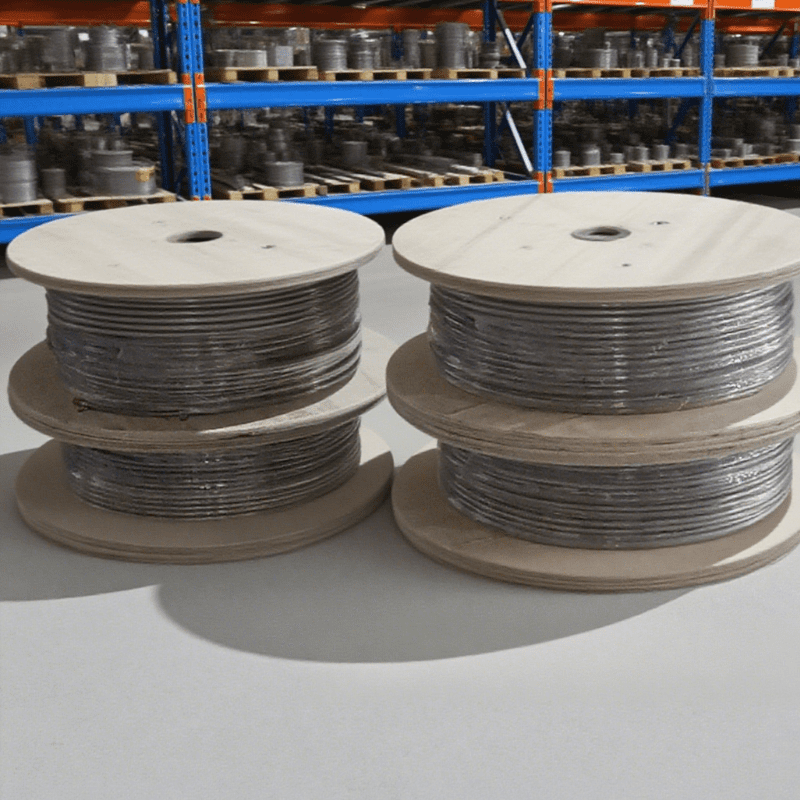
Raccomandiamo espressamente ai clienti dei settori petrolchimico, energetico e cantieristico navale di privilegiare l’uso di gomiti a saldatura di testa senza giunzioni, realizzati in acciaio inossidabile di alta qualità o leghe duplex, per tutte le linee di processo critiche. Per gli ambienti estremamente corrosivi, è opportuno investire in tubi in lega di nichel L'utilizzo, in combinazione con i gomiti in lega di nichel abbinati, ridurrà drasticamente i costi operativi (OPEX) di manutenzione a lungo termine. Sia che abbiate bisogno di gomiti standard in acciaio inossidabile LR a 90° o di gomiti riduttori altamente specializzati, TOKO TECH offre soluzioni ad alte prestazioni e resistenti alla corrosione, sulle quali fanno affidamento le aziende di ingegneria di tutto il mondo.
Tabelle di riferimento fondamentali
Tabella riassuntiva: Tipi di gomiti per tubi
| Tipo di gomito | Dimensione del raggio | Caso d'uso principale | Caduta di pressione |
|---|---|---|---|
| 90° a raggio lungo (LR) | 1,5 volte il diametro nominale del tubo | Routing standard, uso industriale generico | Moderato |
| Raggio corto (SR) a 90° | 1,0 x diametro nominale del tubo | Solo vincoli spaziali molto rigidi | Alto |
| Raccordo a gomito a 45° | 1,5 volte il diametro nominale del tubo (di norma) | Lievi spostamenti, cambiamenti di direzione | Basso |
| Curva di ritorno a 180° | 1,5 D (LR) o 1,0 D (SR) | Scambiatori di calore, tubi di caldaia | Molto alto |
| Gomito riduttore | 1,5 volte il diametro nominale del tubo | Modifica simultanea della direzione e del diametro del tubo | Moderato |
Tabella comparativa: gomiti saldati vs. gomiti senza saldatura
| Caratteristica | Gomiti senza saldatura | Gomiti ERW (saldati) |
|---|---|---|
| Processo di produzione | Estruso/forgiato da un unico pezzo di acciaio | Realizzato in lamiera d'acciaio con un cordone di saldatura longitudinale |
| Pressione nominale | Estremamente alto (nessun punto debole) | Da moderata ad alta (il cordone di saldatura rappresenta una potenziale vulnerabilità) |
| Costo | Maggiore spesa in conto capitale iniziale | Più economico per i grandi diametri |
| Il migliore per | Settore petrolchimico ad alta pressione, offshore, nucleare | Reti di bassa pressione, trasporto dell'acqua, strutture |
Tabella dei pro e dei contro: raggio lungo vs. raggio corto
| Fattore | 90° a raggio lungo (LR) | Raggio corto (SR) a 90° |
|---|---|---|
| Pro | Transizione fluida del flusso, minore attrito, minore usura delle pareti dei tubi. | Estremamente compatto, ideale in caso di spazi estremamente limitati (ad es. in ambito navale). |
| Contro | Richiede uno spazio fisico maggiore per l'installazione. | Elevata turbolenza, elevato rischio di erosione rapida; richiede una maggiore potenza di pompaggio. |
Tabella della guida all'acquisto: scelta dei materiali per settore industriale
| Settore / Applicazione | Materiale consigliato | Considerazioni relative all'approvvigionamento |
|---|---|---|
| Alimentare e bevande / Farmaceutico | Acciaio inox 316L | Deve presentare una lucidatura igienica di alto livello e non presentare alcuna fessura interna. |
| Petrolio e gas offshore / Desalinizzazione | Duplex / Super Duplex | Richiede un'elevatissima resistenza alla corrosione da tensocorrosione indotta dal cloruro. |
| Lavorazioni chimiche ad alta temperatura | Inconel / Hastelloy | Fonte verificata fornitori di barre in lega di nichel con MTC rigorosi. |
| Impianti di climatizzazione / Approvvigionamento idrico | Acciaio al carbonio (A234 WPB) | Priorità all’efficienza in termini di costi e alla disponibilità globale affidabile. |
In sintesi
Conoscere con precisione i tipi di gomiti disponibili è un requisito fondamentale per qualsiasi ingegnere meccanico o responsabile degli acquisti. È necessario privilegiare i gomiti a 90 gradi a raggio lungo per le operazioni standard, al fine di proteggere l’impianto da cadute di pressione eccessive e da un’erosione rapida. Utilizzate i gomiti a raggio corto o riduttori solo quando lo spazio fisico impone un compromesso. Abbinando la forma geometrica corretta a materiali di alta qualità — come quelli prodotti da TOKO TECH — si garantisce che l’infrastruttura delle tubazioni offra prestazioni sicure, efficienti e prive di perdite per decenni.
Domande frequenti
Il raggio di un gomito per tubi viene misurato dalla faccia centrale del tubo al punto centrale della curvatura. Per un gomito a raggio lungo (LR), tale misura sarà pari a 1,5 volte la dimensione nominale del tubo (NPS). Per un gomito a raggio corto (SR), la misura sarà esattamente pari all’NPS.
Sì, ed è vivamente consigliato se lo spazio lo consente. L'utilizzo di due gomiti a 45 gradi separati da un breve raccordo a bobina crea una curva molto più dolce rispetto a un singolo gomito a 90 gradi. Ciò riduce significativamente la turbolenza e le perdite per attrito, sebbene richieda più spazio e comporti un maggior numero di saldature durante la fabbricazione.
La norma ASME B16.9 è lo standard internazionale che disciplina le dimensioni complessive, le tolleranze, i valori nominali, le prove e le marcature dei raccordi forgiati a saldatura di testa prodotti in fabbrica. Se state acquistando gomiti per un'applicazione industriale, dovete verificare che i raccordi siano rigorosamente conformi alla norma ASME B16.9 per garantire che si allineino perfettamente con le classi standard dei tubi.
Riferimenti e standard di riferimento del settore
Per garantire che le nostre raccomandazioni operative siano in linea con gli standard globali di conformità ingegneristica, facciamo riferimento alle rigorose linee guida stabilite dalle seguenti autorità:
- American Society of Mechanical Engineers (ASME) – B16.9 Raccordi forgiati per saldatura di testa prodotti in fabbrica
- American Petroleum Institute (API) – Norme di progettazione e costruzione delle condotte
- Associazione per la protezione e le prestazioni dei materiali (AMPP/NACE) – Mitigazione della corrosione e selezione dei materiali
 Italian
  English
  Spanish
  Russian
  Turkish
  French
  Korean
  German