When engineering fluid transport systems for the world’s most aggressive environments, material selection is the difference between a system that lasts thirty years and one that fails catastrophically in thirty days. Pipeline engineers and procurement managers constantly navigate a maze of metallurgical specifications, trying to balance corrosion resistance, mechanical strength, and project budgets. A material that frequently appears at the top of specifications for marine and chemical processing applications is 400 nikel.
But what exactly is 400 nickel material, and more importantly, is it actually worth the premium price tag compared to standard austenitic stainless steels? From our experience supplying critical infrastructure components globally, we see buyers frequently under-specifying or over-specifying this specific alloy. This guide will provide a highly opinionated, commercially driven analysis of 400 nickel, cutting through the metallurgical jargon to help you make an informed buying decision for your next project.
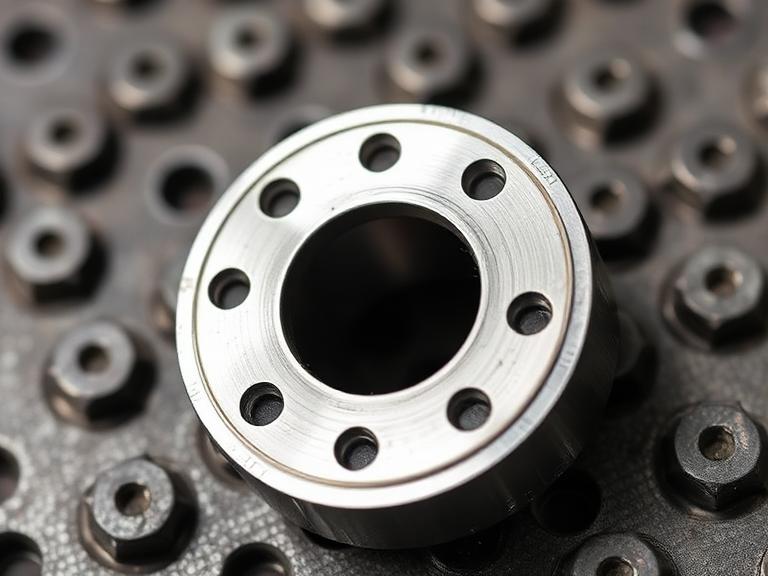
Direct Answer: What is 400 Nickel?
400 nikel (commonly known by its trade name Monel® 400 or its UNS designation N04400) is a solid-solution binary alloy composed of approximately 63% nickel and 28% to 34% copper, with trace amounts of iron and manganese. It is not a steel; it is a high-performance non-ferrous alloy renowned for its extraordinary resistance to corrosive environments—specifically flowing seawater, hydrofluoric acid, sulfuric acid, and concentrated alkalis. Unlike many alloys, 400 nickel can only be hardened by cold working, not by thermal heat treatment, and it retains remarkable mechanical toughness even at cryogenic temperatures.
Quick Answer: 400 Nickel Summary
If you are evaluating this material for immediate procurement, here is the executive summary:
- Composition: ~63% Nickel, ~30% Copper, max 2.5% Iron.
- Primary Benefit: Absolute immunity to chloride stress corrosion cracking and extreme resistance to hydrofluoric acid.
- Primary Limitation: Vulnerable in highly oxidizing environments (like nitric acid) and carries a high raw material cost.
- Common Forms: Available extensively as nikel alaşımlı dikişsiz boru, valves, pump shafts, and fasteners.
- The Verdict: For heavy-duty applications in marine offshore platforms or hydrofluoric acid alkylation units, 400 nickel is irreplaceable. For basic freshwater transport, it is an unnecessary expense.
İçindekiler
- TOKO TECH Hakkında
- What It Is: The Metallurgy of 400 Nickel
- How It Works in Corrosive Environments
- The Commercial Benefits
- Limitations You Must Know
- Kimler Kullanmalı ve Kimlerin İhtiyacı Yok?
- Common Engineering Mistakes
- Strategic Buying Considerations
- Summary & Comparison Tables
- Expert Recommendation
- The Bottom Line
- Sıkça Sorulan Sorular
TOKO TECH Hakkında
TOKO TECH is an export-driven manufacturing enterprise specializing in the R&D, production, and sales of high-end metal pipeline systems. Headquartered in Shanghai, China, with manufacturing facilities located in the Yangtze River Delta—China’s industrial core region—the company operates a modern production base. Since its establishment, TOKO TECH has adhered to the core philosophy of “Quality First, Innovation Driven”, dedicated to providing high-performance, corrosion-resistant, and high-temperature/high-pressure pipeline products for global clients.
What It Is: The Metallurgy of 400 Nickel
At its core, 400 nickel is an alloy that mirrors the natural proportions of nickel and copper found in specific Canadian mining ores. Because it is a solid-solution alloy, the copper and nickel atoms mix completely at the molecular level, creating a unified, highly stable crystalline structure. It typically conforms to ASTM B164 for bar and ASTM B165 for seamless pipe.
In most professional situations, engineers specify this material when standard 300-series stainless steels fail. While a standard paslanmaz çelik dikişsiz boru relies on a passive chromium oxide layer to prevent rust, 400 nickel derives its resistance from the inherent thermodynamic stability of the nickel-copper matrix itself. This makes it fundamentally different in how it behaves under chemical attack.
How It Works in Corrosive Environments
The mechanics of 400 nickel are fascinating. It operates as a “noble” alloy in reducing environments (environments lacking oxygen). For example, when exposed to unaerated hydrofluoric acid—a chemical that actively devours glass and most metals—the copper-nickel matrix forms a highly adherent, protective fluoride film. This film halts further corrosion, allowing the material to maintain structural integrity where other alloys would dissolve.
Furthermore, 400 nickel completely eliminates the risk of chloride stress corrosion cracking (CSCC). In hot, saline environments (like offshore oil rigs), standard stainless steel experiences micro-cracking under tensile stress. Because 400 nickel contains over 60% nickel, it is virtually immune to this specific, catastrophic failure mode. When welding this material, understanding Nikel kaynak çubuğunun kullanım alanları is critical, as matching the filler metal (usually ERNiCu-7) is required to maintain this corrosion resistance across weld seams.
The Commercial Benefits
Why do commercial buyers authorize the purchase of an expensive nickel-copper alloy? Because the lifecycle costs justify the initial capital expenditure.
- Marine Superiority: It exhibits a near-zero corrosion rate in rapidly flowing seawater. It does not suffer from impingement attack or cavitation erosion, making it the premier choice for marine propeller shafts and seawater desalination intake pipes.
- Cryogenic Toughness: Unlike carbon steel which becomes brittle and shatters at sub-zero temperatures, 400 nickel retains excellent ductility and impact strength even down to the temperature of liquid hydrogen.
- Broad Chemical Resistance: It easily handles neutral and alkaline salts, sulfuric acid, and fluorine gases.
Limitations You Must Know
We believe in absolute transparency. 400 nickel is not a magic bullet, and specifying it incorrectly will lead to rapid failure.
First, it has notoriously poor resistance in highly oxidizing environments. If your process fluid contains nitric acid, nitrous acid, or high levels of aeration in the presence of acidic salts, 400 nickel will corrode rapidly. In these specific cases, a high-chromium alloy or titanium is required.
Second, it is difficult to machine. Because the material work-hardens rapidly during machining operations, fabrication requires slow cutting speeds, heavy feeds, and rigid tooling. Finally, the material is subject to high market volatility. If you monitor the kg başına nikel külçe fiyatı, you will know that the heavy nickel content makes this alloy significantly more expensive upfront than 316 stainless steel.
Kimler Kullanmalı ve Kimlerin İhtiyacı Yok?
Ağır hizmet uygulamaları için: Operators of oil and gas distillation towers, offshore splash-zone structural sheathing, salt production evaporator bodies, and uranium refinement facilities absolutely must use 400 nickel. It is also the gold standard for hydrofluoric acid alkylation units in petrochemical refineries.
For beginners and standard commercial users: If you are building a commercial HVAC system, a municipal freshwater treatment plant, or a standard food-processing facility, you do not need 400 nickel. A high-quality 304 or 316 stainless steel pipe fittings network will provide more than enough corrosion resistance at a fraction of the cost.
Common Engineering Mistakes
In our testing and consulting with global clients, we see the same errors repeated:
- Ignoring Aeration: Assuming 400 nickel resists all acids equally. It handles hydrochloric and sulfuric acids brilliantly only if they are de-aerated. The introduction of oxygen into the acid stream will accelerate corrosion exponentially.
- Poor Welding Preparation: Failing to clean the joint area meticulously. 400 nickel is highly susceptible to embrittlement from sulfur and lead. Any residual cutting lubricants, paints, or dirt left on the metal prior to welding will cause the weld to crack.
- Improper Sourcing: Buying from unvetted brokers instead of verified nikel alaşımlı çubuk tedarikçileri. Counterfeit alloys or poorly melted batches with high carbon inclusions will fail under pressure.
Strategic Buying Considerations
When purchasing 400 nickel, you must demand full traceability. Always require a Material Test Report (MTR) confirming the chemical composition (specifically ensuring iron is below 2.5% and sulfur is below 0.024%).
Consider the product form carefully. For high-pressure fluid transport, a solid nikel alaşımlı boru ve tüp in a seamless configuration is vastly superior to a welded pipe, as it eliminates the heat-affected zone (HAZ) completely. If you are machining pump shafts or valves, seek out specialized 400 Nick Alaşımlı Çubuk Stoku from reputable nikel alaşımlı çubuk üreticileri who can provide material in the stress-relieved condition for better dimensional stability during machining.
Summary & Comparison Tables
Comparison Table: 400 Nickel vs. 316 Stainless vs. Inconel 625
| Material Attribute | 400 Nickel (N04400) | 316 Paslanmaz Çelik | Inconel 625 (N06625) |
|---|---|---|---|
| Temel Bileşim | 63% Ni, 30% Cu | 16% Cr, 10% Ni, 2% Mo | 58% Ni, 21% Cr, 9% Mo |
| Klorür Kaynaklı Gerilme Çatlaması | Immune | Highly Susceptible | Highly Resistant |
| Hydrofluoric Acid Resistance | Excellent (Unaerated) | Poor | Orta düzeyde |
| Oxidizing Acid Resistance | Poor | Good | Mükemmel |
| Göreceli Maliyet | Yüksek | Düşük | Very High |
Pros and Cons Table: 400 Nickel
| Pros of 400 Nickel | Cons of 400 Nickel |
|---|---|
| Absolute immunity to chloride stress corrosion cracking. | High raw material procurement cost due to nickel content. |
| Maintains exceptional mechanical toughness at cryogenic temperatures. | Work-hardens rapidly, making precision machining difficult and slow. |
| Outperforms nearly all metals in flowing seawater and brine. | Susceptible to rapid attack in oxidizing acids (e.g., Nitric Acid). |
| Excellent resistance to dangerous hydrofluoric and sulfuric acids. | Requires stringent pre-weld cleaning to prevent sulfur embrittlement. |
Expert Recommendation
The TOKO TECH Perspective
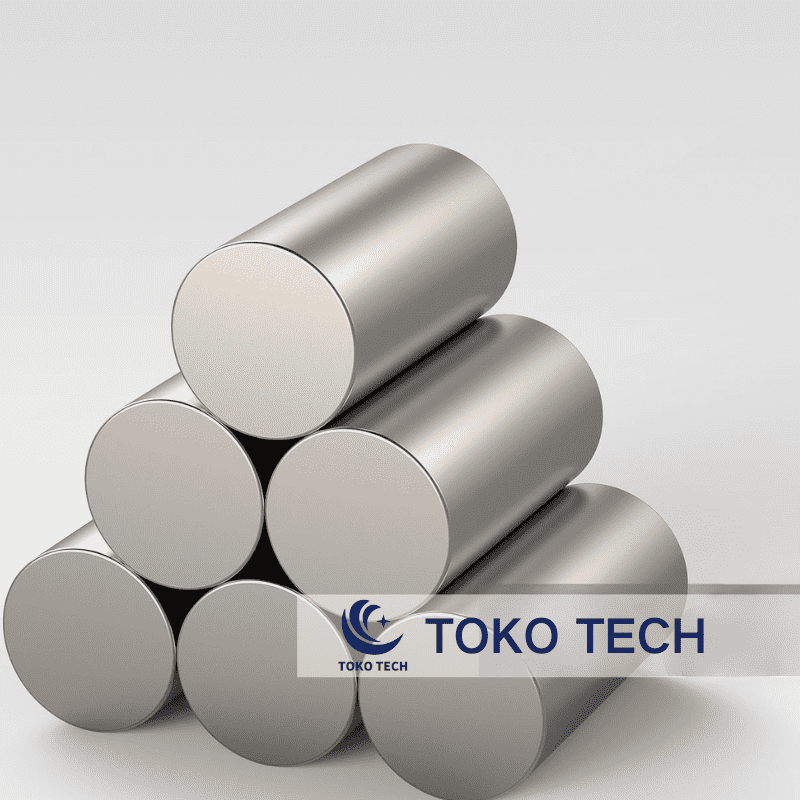
In most professional situations involving offshore marine engineering or aggressive chemical alkylation, we recommend 400 nickel without hesitation. While the upfront cost per kilogram is substantial, the ROI is realized through the elimination of unplanned downtime and catastrophic pipeline failures. When specifying this material for pipeline systems, we strongly advocate utilizing seamless configurations rather than welded tubing whenever the system exceeds 1500 PSI, as it guarantees uniform wall thickness and eliminates longitudinal weld vulnerabilities.
The Bottom Line
Do Not Compromise on Severe Service Materials
400 nickel is a specialized, high-performance alloy designed for the exact environments where standard steels fail. Its unique nickel-copper solid solution provides unmatched defense against seawater, hydrofluoric acid, and chloride stress cracking. By understanding its specific operational parameters—and its vulnerability to oxidation—you can deploy 400 nickel safely and efficiently. Whether you are outfitting an offshore platform or a chemical processing plant, investing in certified, high-quality 400 nickel components is an investment in long-term operational security.
Sıkça Sorulan Sorular
Yes. Monel® 400 is a registered trademark of Special Metals Corporation. 400 nickel (or Alloy 400) is the generic industry term for the exact same nickel-copper alloy, formally designated under the Unified Numbering System as UNS N04400.
No. 400 nickel is a solid-solution alloy and cannot be hardened by thermal heat treatments. The only way to increase the mechanical strength and hardness of 400 nickel is through cold working (physical deformation at room temperature).
400 nickel is slightly magnetic at room temperature. Its Curie temperature (the point at which it loses magnetic properties) is relatively close to ambient temperatures, ranging between 21°C and 49°C depending on slight variations in its specific chemical composition.
Authoritative Industry References
- ASTM Uluslararası – Standard Specification for Seamless Nickel and Nickel Alloy Condenser and Heat-Exchanger Tubes (ASTM B163).
- ASM International – Materials property data and metallurgical baseline characteristics for nickel-copper binary solid-solution alloys.
- Malzeme Koruma ve Performans Derneği (AMPP / NACE) – MR0175/ISO 15156 guidelines regarding the utilization of solid-solution nickel alloys in sour gas (H2S) and highly corrosive petroleum environments.
 Turkish
  English
  Spanish
  Russian
  French
  Korean
  German
  Italian