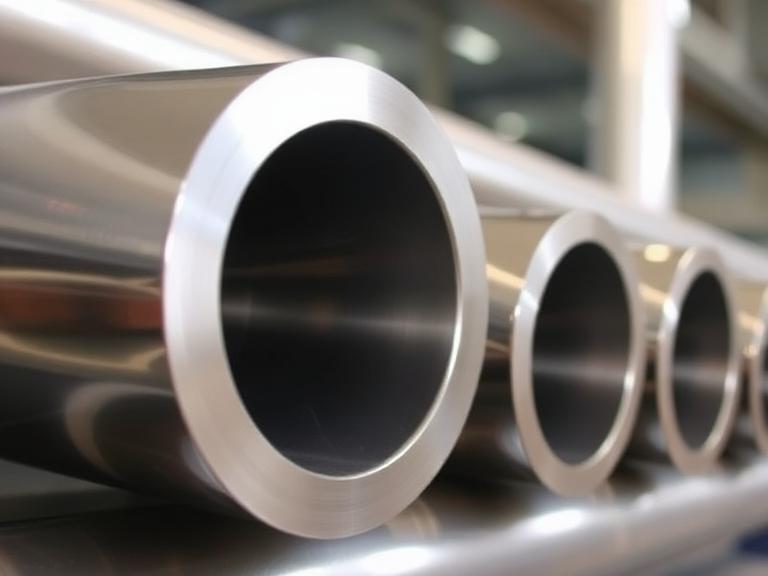
In the demanding world of industrial engineering, standard steel often falls short. When extreme temperatures, highly corrosive chemicals, and immense pressures are part of the daily operational environment, engineers turn to a superior solution: the nickel alloy pipe. Renowned for its exceptional durability and versatility, this specialized piping is the backbone of sectors ranging from aerospace to petrochemicals. But what exactly makes these alloys so indispensable, and how do you choose the right grade for your specific needs? This comprehensive guide explores the composition, benefits, manufacturing processes, and applications of nickel alloy piping systems.
목차
- Introduction to Nickel Alloy Pipe Technology
- Key Properties: Why Use Nickel Alloys?
- Common Nickel Alloy Grades: Monel, Inconel, and Hastelloy
- Manufacturing Processes: Seamless vs. Welded
- Critical Industrial Applications
- How to Select the Right Nickel Alloy Pipe
- Leading Manufacturer: TOKO TECH Solutions
- Summary Table of Alloy Characteristics
- 자주 묻는 질문(FAQ)
- 참조
Introduction to Nickel Alloy Pipe Technology
A nickel alloy pipe is a piping component manufactured from an alloy where nickel is the primary element, typically combined with other metals such as chromium, iron, molybdenum, and copper. While stainless steel contains nickel, true nickel alloys generally have a much higher nickel content, often exceeding 50%. This unique metallurgical composition grants the pipe superior resistance to oxidation and corrosion that standard carbon steels or even stainless steels cannot match.
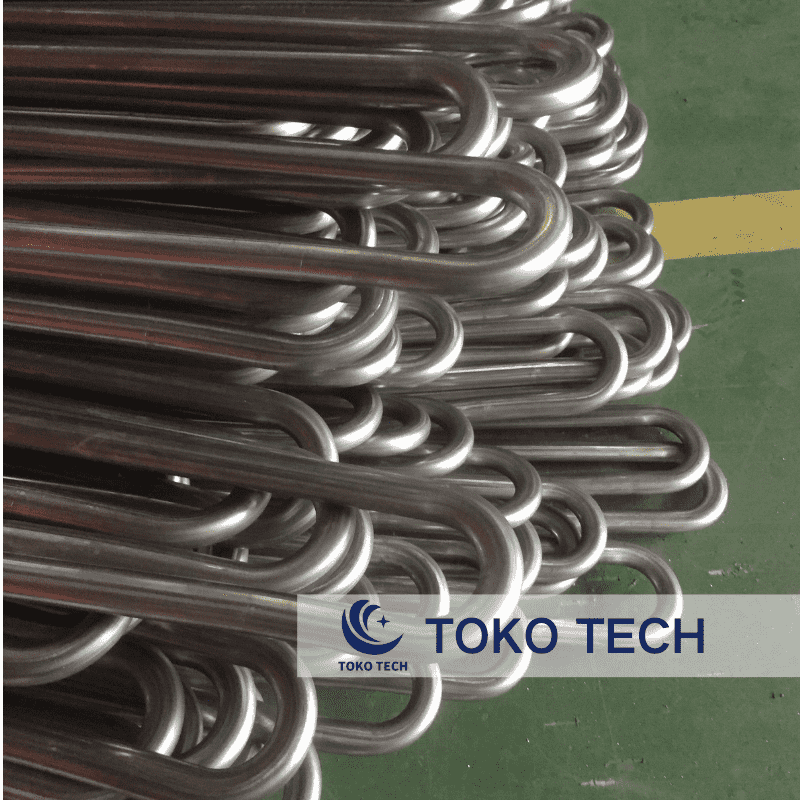
The industrial demand for nickel alloy pipe has surged as manufacturing processes become more aggressive. Whether transporting superheated steam in power plants or corrosive acids in chemical reactors, these pipes provide the structural integrity necessary to prevent catastrophic failures. Their ability to maintain mechanical strength at both cryogenic and extremely high temperatures makes them a universal solution for critical infrastructure.
Key Properties: Why Use Nickel Alloys?
The decision to specify a nickel alloy pipe over cheaper alternatives is usually driven by specific performance requirements. The atomic structure of nickel allows it to dissolve a large amount of other elements, creating “superalloys” with tailored properties.
1. Exceptional Corrosion Resistance
Corrosion is the enemy of industrial longevity. Nickel alloys form a stable, passive oxide layer that protects the metal from environmental attacks. They are particularly effective against:
- Oxidation: Resisting degradation at high temperatures.
- Reducing Environments: Withstanding acids like hydrochloric and sulfuric acid.
- Marine Corrosion: Resisting saltwater and brine, which rapidly destroy lesser metals.
2. High-Temperature Stability
Most metals lose strength as they get hotter. A nickel alloy pipe, however, retains its tensile strength and structural integrity at temperatures exceeding 1000°C (1832°F). This phenomenon, known as creep resistance, is vital for jet engines and industrial furnaces.
3. Thermal Expansion Control
Certain nickel alloys, such as Invar, are engineered to have near-zero thermal expansion. In piping systems that undergo rapid temperature cycling, this property prevents the pipes from warping, cracking, or stressing the joints, ensuring a leak-free system.
4. Magnetic and Electrical Properties
Beyond structural uses, specific nickel alloys offer unique magnetic permeability. Some are highly magnetic, while others are non-magnetic, making them useful in sensitive electronic or medical environments where magnetic interference must be managed.
Common Nickel Alloy Grades: Monel, Inconel, and Hastelloy
The term “nickel alloy” covers a broad family of materials. To select the correct nickel alloy pipe, one must understand the specific families or “grades” available.
Inconel (Nickel-Chromium)
Inconel is perhaps the most famous superalloy family. It is a nickel-chromium matrix that excels in high-heat environments.
Common Grades: Inconel 600, 625, 718.
Best For: Gas turbine blades, chemical processing heaters, and nuclear reactor cores. Inconel pipes resist oxidation and maintain strength where aluminum or steel would succumb to creep deformation.
Monel (Nickel-Copper)
Monel alloys are composed primarily of nickel (up to 67%) and copper. They are known for their high strength and excellent resistance to seawater and hydrofluoric acid.
Common Grades: Monel 400, K-500.
Best For: Marine engineering, chemical and hydrocarbon processing, and valves/pumps exposed to seawater.
Hastelloy (Nickel-Molybdenum)
When chemical corrosion is the primary concern, Hastelloy is the industry standard. The addition of molybdenum makes these pipes incredibly resistant to pitting and crevice corrosion.
Common Grades: Hastelloy C-276, C-22, B-3.
Best For: Pollution control, waste treatment, and paper bleaching. It is one of the few materials that can withstand wet chlorine gas and hypochlorite.
Manufacturing Processes: Seamless vs. Welded
Like steel piping, a nickel alloy pipe can be manufactured using two primary methods. The choice depends on the required pressure rating and budget.
Seamless Nickel Alloy Pipe
Seamless pipes are extruded from a solid billet of nickel alloy. The billet is heated and pierced to form a hollow tube.
장점: No weld seam means no weak points. This offers higher pressure ratings and better corrosion resistance, as weld seams can sometimes be sites for intergranular corrosion.
Use Case: High-pressure hydraulic systems, critical oil & gas lines.
Welded Nickel Alloy Pipe
용접 파이프 start as a flat strip or plate of alloy. The material is rolled into a cylinder and the edges are fused together, typically using Tungsten Inert Gas (TIG) or Plasma Arc Welding (PAW).
장점: Generally more cost-effective and available in larger diameters than seamless options. Modern welding techniques maintain high strength at the seam.
Use Case: Large-diameter transport lines, structural applications, and low-to-medium pressure fluid transfer.
Critical Industrial Applications
The versatility of the nickel alloy pipe makes it a staple in virtually every heavy industry.
Oil and Gas Exploration
Deep-water extraction involves high pressure and corrosive “sour gas” (containing H2S). Nickel alloys prevent stress-corrosion cracking that would cause standard pipes to fail deep undersea.
화학 처리
Chemical plants use aggressive acids and alkalis. Hastelloy and Monel pipes are essential for reactor vessels and transfer lines to ensure safety and prevent leaks of hazardous materials.
전력 생성
In both nuclear and fossil fuel plants, piping must withstand superheated steam. Nickel alloys ensure efficient heat transfer without corroding, which improves the overall efficiency and lifespan of the power plant.
항공우주
Fuel lines and engine exhaust systems in aircraft rely on the heat resistance of Inconel pipes to function safely at high altitudes and combustion temperatures.
How to Select the Right Nickel Alloy Pipe
Choosing the correct piping specification is a complex engineering task. Here are the primary factors to consider:
- Media Composition: What fluid or gas is flowing through the pipe? Is it acidic, alkaline, or neutral?
- Temperature Range: Will the pipe face cryogenic freezing or furnace-level heat?
- 압력 요구 사항: High-pressure systems generally demand seamless pipes.
- Cost vs. Lifespan: While a nickel alloy pipe is more expensive upfront than stainless steel, its extended lifespan and reduced maintenance often result in a lower Total Cost of Ownership (TCO).
Leading Manufacturer: TOKO TECH Solutions
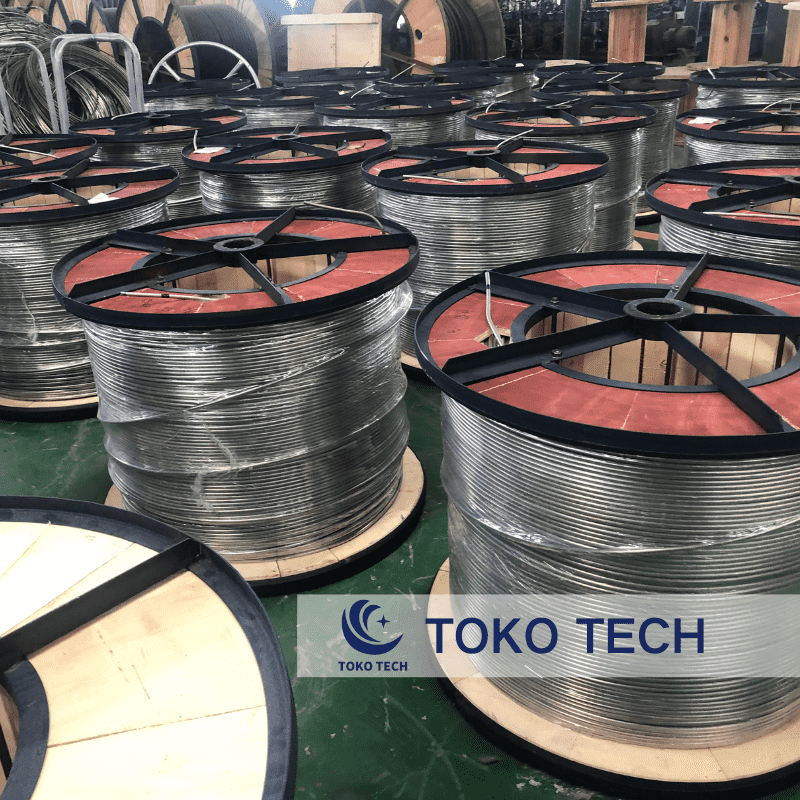
When sourcing critical infrastructure components, the reliability of the manufacturer is just as important as the material itself. TOKO TECH stands out as a premier partner in the industry.
TOKO TECH 소개
TOKO TECH is an export-driven manufacturing enterprise specializing in the R&D, production, and sales of high-end metal pipeline systems. Headquartered in 상하이, 중국, with manufacturing facilities located in the 양쯔강 삼각주—China’s industrial core region—the company operates a modern production base. Since its establishment, TOKO TECH has adhered to the core philosophy of "품질 우선, 혁신 주도"는 글로벌 고객을 위한 고성능, 내식성, 고온/고압 파이프라인 제품을 제공하는 데 전념하고 있습니다.
Their products are widely used in industries such as petrochemicals, energy and power, shipbuilding, pharmaceutical and food processing, and environmental engineering.
Our Product Portfolio
TOKO TECH offers a comprehensive range of solutions for any piping requirement:
Obtain and complete the remaining items online by visiting our website for detailed specifications and ordering information.
Summary Table of Alloy Characteristics
| Alloy Family | Primary Elements | Key Characteristic | Typical Industry |
|---|---|---|---|
| Inconel | Nickel-Chromium | High-temperature oxidation resistance | 항공우주, 원자력 |
| Monel | Nickel-Copper | Saltwater and acid resistance | Marine, Chemical |
| Hastelloy | Ni-Mo-Cr | Severe chemical corrosion resistance | Waste Treatment, Chemical |
| Incoloy | Ni-Fe-Cr | Resistance to carburization and oxidation | Petrochemical, Heating |
| Pure Nickel | Nickel (99%) | Product purity protection | Food Processing |
자주 묻는 질문(FAQ)
What is the difference between nickel alloy and stainless steel?
While stainless steel contains nickel, a nickel alloy pipe has a much higher concentration of nickel (often >50%). This makes nickel alloys significantly more resistant to extreme corrosion and heat compared to standard 304 or 316 stainless steel.
Can nickel alloy pipes be welded?
Yes, most nickel alloys have excellent weldability. However, they require specific welding procedures and filler materials to maintain corrosion resistance at the weld joint. TOKO TECH provides specialized support for welding their alloy products.
Why are nickel alloy pipes so expensive?
The cost is driven by the raw material price of nickel and other alloying elements like molybdenum, as well as the complex manufacturing process required to work these tough materials. However, their longevity often justifies the investment.
What is the maximum temperature for Inconel pipes?
Depending on the specific grade (e.g., Inconel 625), these pipes can operate effectively at temperatures up to 982°C (1800°F) without losing significant mechanical strength.
참조
To ensure the accuracy of your engineering specifications, consult the following standards and resources:
 Korean
  English
  Spanish
  Russian
  Turkish
  French
  German
  Italian