코일 튜브 drilling has become one of the most efficient and flexible technologies in modern oilfield operations. As we move into 2025, many companies across the globe are re-evaluating their well intervention budgets, and one of the most common questions remains: How much does coiled tubing drilling cost today?
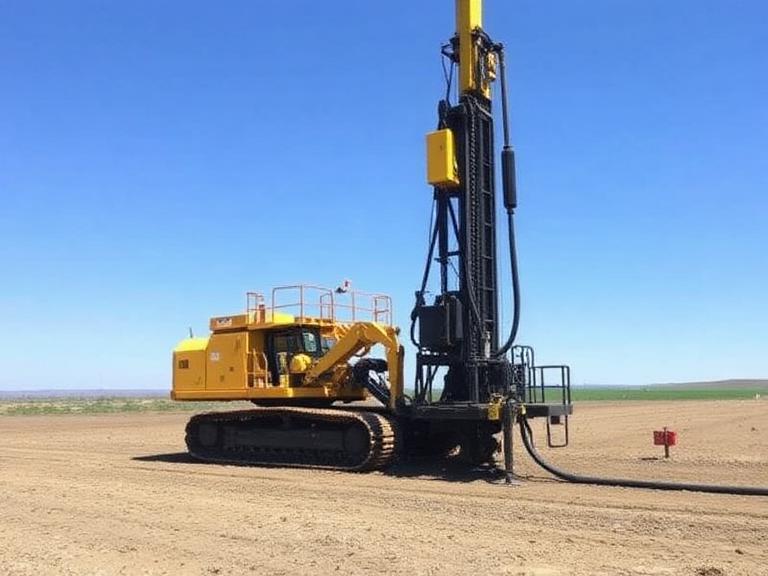
This article provides a comprehensive cost breakdown, updated industry insights, pricing factors, detailed technical considerations, and expert guidance for operators, engineers, and procurement teams.
목차
What Is Coiled Tubing Drilling?
Coiled tubing drilling (CTD) is a continuous-length steel or alloy tube wound on a reel and used to perform drilling or intervention operations without the need to stop, connect, or disconnect pipe segments. This makes the process faster, safer, and more efficient than conventional drilling.
In 2025, CTD continues to be widely used for:
- Underbalanced drilling (UBD)
- Lateral well extensions
- Wellbore cleanouts
- Fishing operations
- Stimulations and fracturing support
Operators favor CTD because of lower rig-up time, improved safety, reduced manpower, and flexibility in complex slimhole or multilateral wells.
How Much Does Coiled Tubing Drilling Cost in 2025?
그리고 average coiled tubing drilling cost in 2025 ranges from USD $45,000 to $180,000 per day depending on location, tubing size, equipment specification, and well complexity.
For complete operations, a full CTD project may cost between:
- USD $350,000–$1.2 million for shallow wells
- USD $1.2–$4 million for deep or horizontal wells
- USD $5 million+ for complex offshore operations
These values include equipment, manpower, transportation, supervision, fluids, and depreciation of specialized assets.
Key Factors Affecting Coiled Tubing Drilling Cost
1. Tubing Material and Alloy Type
The type of coiled tubing used—especially premium alloys—can impact overall project cost significantly. High-temperature, high-pressure (HTHP) wells require specialty alloys that offer corrosion resistance and durability.
2. Tubing Diameter and Length
Larger-diameter tubing (e.g., 1.75″–2.875″) allows higher flow rates but requires larger reel capacity and bigger injector heads, increasing operating cost.
3. Well Depth and Geometry
Highly deviated wells or long laterals require more advanced CTD equipment, downhole tools, and monitoring systems.
4. Surface Equipment Requirements
Stripping stacks, BOPs, power packs, nitrogen pumps, and downhole motors all add to daily cost.
5. Geographic Location
Cost varies widely by region:
- North America: $60k–$150k/day
- Middle East: $50k–$140k/day
- China: $30k–$80k/day
- Offshore Global: $100k–$250k/day
6. Safety and Compliance
2025 environmental regulations, particularly in Europe and the U.S., have increased compliance-related expenses.
Cost Comparison: Coiled Tubing vs Conventional Drilling
Many operators evaluate CTD as a cost-saving alternative to rigs. Here’s how they compare:
| 방법 | Average Daily Cost | 장점 | 제한 사항 |
|---|---|---|---|
| Coiled Tubing Drilling | $45k–$180k | Faster, safer, fewer connections, ideal for re-entry wells | Limited hole size, tool cost can be high |
| Conventional Drilling | $150k–$500k | Suitable for new wells, larger boreholes | Higher manpower, slower drilling, more safety risk |
Based on comparison, CTD is clearly more cost-effective for re-entry wells, stimulation, and underbalanced drilling operations.
How Much Do Coiled Tubing Materials Cost?
This is where high-quality manufacturers make a crucial difference. The price of the tubing itself—often included in the project cost—depends heavily on alloy grade.
Premium Coiled Tubing Prices by Alloy (2025)
Carbon Steel Tubing: $8–$16 per meter
316L Stainless Steel: $22–$40 per meter
Inconel 600 / 625: $120–$250 per meter
Incoloy 825: $90–$180 per meter
Hastelloy C-276: $160–$300 per meter
These materials are essential for high-performance operations, especially in corrosive, high-pressure environments.
Manufacturer Spotlight: TOKO TECH (Premium Coiled Tubing Producer)
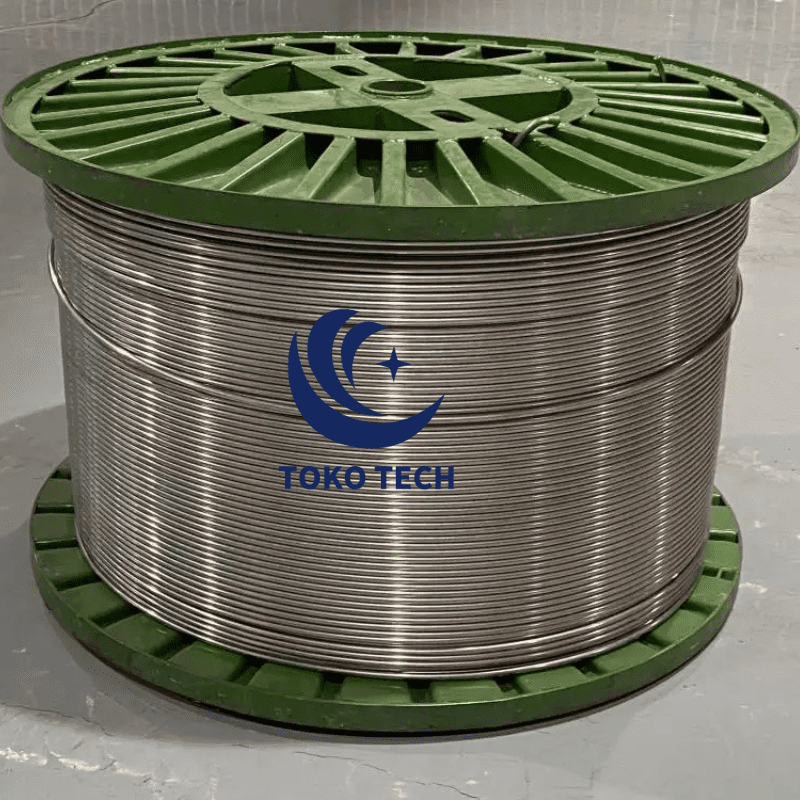
TOKO TECH 소개
Professional manufacturer of precision coiled heat exchanger tubes.
TOKO TECH is an export-driven manufacturing enterprise specializing in the R&D, production, and sales of high-end metal pipeline systems. Headquartered in Shanghai, China, with manufacturing facilities in the Yangtze River Delta—China’s industrial core—the company has built a strong global reputation.
TOKO TECH focuses on high-performance, corrosion-resistant, and high-temperature/high-pressure tubing solutions used in industries such as petrochemicals, energy & power, shipbuilding, pharmaceutical processing, and environmental engineering.
Featured Coiled Tubing Products
- 멀티 코어 튜브
- UNS N06600 / EN 2.4816 / ASTM B167 (Inconel 600) Welded Coiled Tubing
- UNS S31603 / EN 1.4404 / ASTM A269 TP316L 용접 코일 튜브
- UNS N10276 / EN 2.4819 (Hastelloy C-276) Seamless Coiled Tubing
- UNS N08825 / EN 2.4858 (Incoloy 825) Seamless Coiled Tubing
- UNS N08800 / W. Nr. 1.4876 (Alloy 800) Seamless Coiled Tubing
TOKO TECH’s alloy expertise ensures reliability and longevity in harsh drilling environments—significantly lowering total coiled tubing drilling cost over the well life.
2025 Summary Cost Table: Coiled Tubing Drilling
| Cost Category | Price Range (USD) |
|---|---|
| Daily CTD Unit Cost | $45,000–$180,000 |
| Full Project Cost (Shallow) | $350,000–$1.2 million |
| Full Project Cost (Deep) | $1.2–$4 million |
| Offshore CTD Operations | $5 million+ |
| Premium Alloy Tubing (per meter) | $22–$300 depending on alloy |
FAQ: Coiled Tubing Drilling Cost 2025
1. What is the biggest factor influencing coiled tubing drilling cost?
Well complexity and depth remain the top cost drivers.
2. Is coiled tubing cheaper than conventional drilling?
For re-entry and underbalanced wells, CTD is typically 30%–70% cheaper.
3. How often does coiled tubing need to be replaced?
Depending on alloy and fatigue cycles, tubing may last from 200 to 2,000 hours.
4. Why are premium alloys expensive?
High-nickel alloys resist corrosion, sour gas, and extreme temperatures—critical for safety and efficiency.
5. Is coiled tubing drilling environmentally friendly?
Yes, because it reduces diesel use, rig time, and surface footprint.
 Korean
  English
  Spanish
  Russian
  Turkish
  French
  German
  Italian