Scambiatori di calore a fascio tubiero rimangono uno dei dispositivi di trasferimento termico più utilizzati in tutti i settori industriali, da quello petrolchimico e della produzione di energia a quello marino, farmaceutico e alimentare. Comprendere i diversi Tipi di scambiatori a fascio tubiero è essenziale per gli ingegneri, i team di approvvigionamento e i progettisti di impianti che desiderano selezionare apparecchiature che offrano prestazioni ottimali, durata ed efficienza economica.
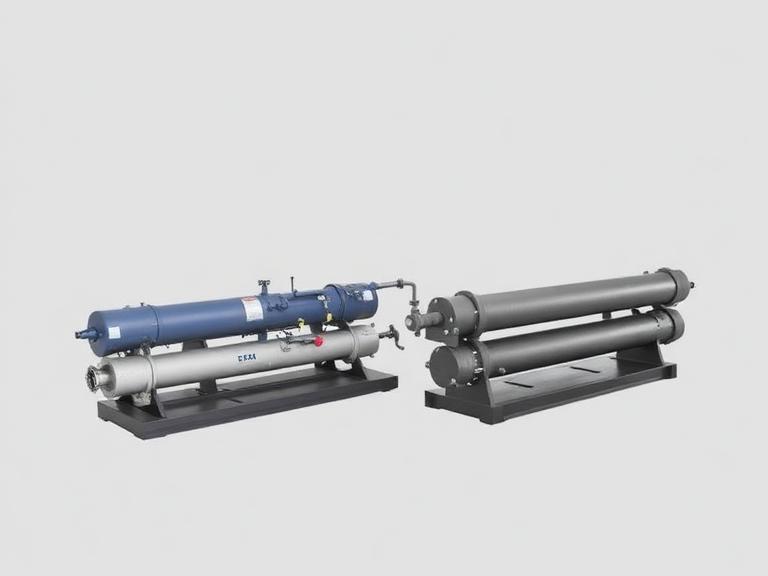
Questa guida completa esplora tutte le principali classificazioni di scambiatori di calore a fascio tubiero, i loro principi di funzionamento, le applicazioni e i vantaggi. Troverete anche un'analisi dettagliata dei produttori su TOKO TECH, leader mondiale nella produzione di tubi coiled di precisione e di sistemi di tubazioni resistenti alla corrosione utilizzati in progetti avanzati di scambiatori di calore.
Indice dei contenuti
- Introduzione agli scambiatori di calore a fascio tubiero
- Classificazione dei tipi di scambiatori a fascio tubiero
- Disposizioni di flusso negli scambiatori a fascio tubiero
- 9 Tipi di scambiatori primari a fascio tubiero
- Tabella riassuntiva: Tipi di scambiatori a fascio tubiero
- Riflettori puntati sul produttore: TOKO TECH (tubi arrotolati di precisione)
- Come scegliere il giusto tipo di scambiatore
- Domande frequenti
- Riferimenti
Introduzione agli scambiatori di calore a fascio tubiero
Uno scambiatore di calore a fascio tubiero è costituito da un guscio (recipiente esterno) che contiene un fascio di tubi. Due fluidi, uno che scorre all'interno dei tubi e uno che scorre all'esterno, scambiano calore per conduzione attraverso le pareti dei tubi. Grazie alla loro versatilità, alla resistenza meccanica, alla tolleranza alle alte pressioni e alla facilità di manutenzione, i sistemi a fascio tubiero sono utilizzati in:
- Impianti petrolchimici
- Piattaforme per petrolio e gas
- Industrie dell'energia e dell'elettricità
- HVAC e refrigerazione
- Desalinizzazione e trattamento delle acque
- Trattamento di alimenti, bevande e prodotti farmaceutici
Comprendere i numerosi Tipi di scambiatori a fascio tubiero contribuisce a garantire prestazioni termiche ottimali, rispettando al contempo i vincoli di processo, come l'intervallo di temperatura, la resistenza alla corrosione, la tendenza alle incrostazioni e i requisiti di manutenzione.
Classificazione dei tipi di scambiatori a fascio tubiero
L'industria classifica tipicamente gli scambiatori a fascio tubiero in base alle caratteristiche:
1. Costruzione a guscio
- Foglio a tubo fisso
- Design con tubo a U
- Design a testa galleggiante
2. Layout lato tubo
- Passaggio singolo
- Multi-pass
- Tubi arrotolati
3. Requisiti di pulizia e manutenzione
- Pulibile sul lato del guscio
- Pulibile sul lato del tubo
4. Gestione dell'espansione termica
- Espansione fissa
- Espansione fluttuante
Tenendo a mente questi fondamenti, analizziamo i più importanti Tipi di scambiatori a fascio tubiero in dettaglio.
Disposizioni di flusso negli scambiatori a fascio tubiero
1. Flusso contrario
I fluidi caldi e freddi si muovono in direzioni opposte, massimizzando l'efficienza del trasferimento di calore.
2. Flusso parallelo
Entrambi i fluidi si muovono nella stessa direzione, adatti ad approcci a temperatura moderata.
3. Flusso incrociato
Un fluido scorre perpendicolarmente all'altro, come accade spesso nei condensatori e nei refrigeratori.
4. Flusso multipass
Migliora il trasferimento di calore instradando il fluido sul lato del tubo attraverso passaggi multipli.
9 Tipi di scambiatori primari a fascio tubiero (spiegati)
Di seguito sono riportati i più diffusi Tipi di scambiatori a fascio tubiero, completo di principi di funzionamento, vantaggi e applicazioni ideali.
1. Scambiatore di calore a tubo fisso
È il tipo di scambiatore più semplice e più comune. I tubi sono saldati in modo permanente alle lastre tubolari, creando una struttura robusta in grado di gestire pressioni elevate.
- Basso costo e facilità di fabbricazione
- Adatto a fluidi puliti
2. Scambiatore di calore a U
In uno scambiatore con tubi a U, i tubi sono piegati a U, in modo che sia necessario un solo foglio di tubo. Questo design consente di compensare l'espansione termica in modo molto efficace.
- Ideale per differenziali ad alta temperatura
- Eccellente gestione dell'espansione termica
3. Scambiatore di calore a testa flottante
Utilizzato quando l'espansione termica o le sollecitazioni meccaniche sono forti. Un'estremità del fascio di tubi è libera di "galleggiare", evitando danni dovuti all'espansione.
- Perfetto per i fluidi sporchi che richiedono una pulizia frequente
- Più costoso ma molto resistente
4. Ribollitore a bollitore
Ampiamente utilizzati nella distillazione e nel trattamento chimico, i ribollitori a bollitore consentono ampie aree di disimpegno del vapore e funzionano in modo efficiente con carichi variabili.
5. Scambiatore a doppio tubo
Presenta due fogli di tubi per evitare la contaminazione incrociata, utilizzati nei settori farmaceutico, alimentare e dell'acqua ultrapura.
6. Scambiatore di calore a bobina elicoidale o a tubo spiralato
Uno scambiatore ad alta efficienza che utilizza tubi a spirale per una turbolenza superiore e un migliore trasferimento di calore. Questo design è in linea con le soluzioni avanzate di coiled tubing offerte da TOKO TECH.
- Elevata compattezza
- Eccellenti coefficienti di trasferimento del calore
- Ideale per installazioni in spazi limitati
7. Scambiatore di calore a fascio tubiero multiplo
Il fluido lato tubo viene convogliato attraverso disposizioni a 2, 4 o 6 passaggi per migliorare le prestazioni di trasferimento del calore.
8. Scambiatore a fascio tubiero rimovibile
Consente di rimuovere facilmente l'intero fascio di tubi per la manutenzione, ideale per i mezzi di incrostazione e per l'uso industriale pesante.
9. Scambiatori a flusso diviso e a flusso ripartito
Utilizza percorsi di flusso multipli sul lato del mantello per ridurre le perdite di carico e stabilizzare la distribuzione termica. Molto diffuso nei sistemi di raffreddamento ad energia e ad alta capacità.
Tabella riassuntiva: Tipi di scambiatori a fascio tubiero
| Tipo di scambiatore | Vantaggio chiave | Il migliore per |
|---|---|---|
| Foglio di tubo fisso | Basso costo, semplice | Acqua pulita, HVAC, lavorazione degli alimenti |
| U-Tube | Gestisce l'espansione termica | Sistemi ad alta temperatura |
| Testa galleggiante | Manutenzione semplice | Petrolchimico, raffineria |
| Ribollitore a bollitore | Grande capacità di vapore | Distillazione, lavorazione chimica |
| Foglio a doppio tubo | Contaminazione zero | Farmaceutico, alimentare |
| Bobina elicoidale | Alta efficienza | Installazioni compatte |
| Multi-Pass | Trasferimento di calore potenziato | Centrali elettriche, petrolchimico |
| Fascio di tubi rimovibili | Facile pulizia del tubo | Industrie a forte incrostazione |
| Flusso diviso | Bassa perdita di pressione | Grandi sistemi energetici |
Riflettori puntati sui produttori: TOKO TECH (tubi di precisione per scambiatori di calore a spirale)
Informazioni su TOKO TECH
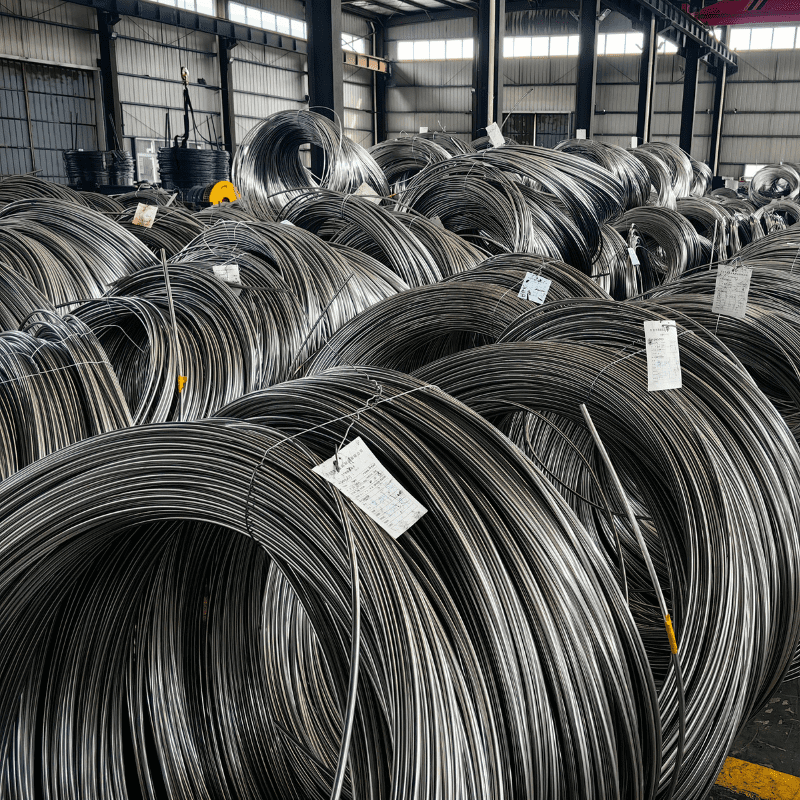
TOKO TECH è un produttore professionale di tubi di precisione per scambiatori di calore a spirale e di sistemi di tubazioni metalliche di alta gamma. Con sede a Shanghai e impianti di produzione situati nell'hub industriale del Delta del fiume Yangtze, l'azienda è diventata leader nell'ingegneria delle condotte, orientata all'esportazione.
Impegnati nella filosofia di "La qualità prima di tutto, l'innovazione in primo piano"TOKO TECH fornisce prodotti di tubazione resistenti alla corrosione, alle alte temperature e alle alte pressioni, ampiamente utilizzati nella produzione di tubi:
- Prodotti petrolchimici
- Energia e potenza
- Costruzione navale
- Industria farmaceutica e alimentare
- Ingegneria ambientale
Linee di prodotti chiave
Perché TOKO TECH si distingue
- Elevata resistenza alla corrosione per ambienti difficili
- Tubo spiralato di precisione ideale per scambiatori di calore a serpentina elicoidale
- Tecnologie avanzate di saldatura, formatura e ricottura
- Perfetto per gli scambiatori ad alta pressione e ad alta temperatura
- Esperienza di esportazione globale con una rigorosa gestione della qualità
Come scegliere il giusto tipo di scambiatore a fascio tubiero
1. Considerare le proprietà del fluido
La viscosità, la corrosività, la tendenza alle incrostazioni e le perdite di carico ammissibili influenzano la scelta dello scambiatore.
2. Condizioni di temperatura e pressione
I differenziali di temperatura elevati favoriscono i tubi a U o le teste flottanti per alleviare le sollecitazioni.
3. Requisiti di manutenzione
Se si prevede una pulizia frequente, i sistemi a fascio tubiero rimovibile o a testa galleggiante sono l'ideale.
4. Vincoli spaziali
Gli ambienti compatti traggono vantaggio dalla progettazione di bobine elicoidali e tubi a spirale, dove i tubi TOKO TECH eccellono.
5. Compatibilità dei materiali
I tubi ad alta lega, come i prodotti in nichel e acciaio inossidabile di TOKO TECH, aiutano a prevenire i guasti da corrosione.
Domande frequenti
1. Qual è il tipo di scambiatore a fascio tubiero più utilizzato?
Il design a lastra tubolare fissa è il più comune per il suo basso costo e la sua semplicità di costruzione.
2. Quale tipo gestisce meglio l'espansione termica?
Sia gli scambiatori a U che quelli a testa flottante si adattano molto bene all'espansione.
3. Quali industrie utilizzano maggiormente gli scambiatori a fascio tubiero?
Petrolio e gas, petrolchimica, centrali elettriche, HVAC, farmaceutica, industria alimentare e ingegneria navale.
4. Quanto è importante il materiale dei tubi?
La selezione dei materiali critici determina la resistenza alla corrosione, la durata e l'efficienza del trasferimento di calore.
5. Dove vengono utilizzati gli scambiatori a tubi elicoidali?
Sono utilizzati negli scambiatori di calore compatti, nei sistemi termici ad alta efficienza e negli ambienti che richiedono un'elevata turbolenza per un migliore trasferimento del calore.
 Italian
  English
  Spanish
  Russian
  Turkish
  French
  Korean
  German