Let us confront a brutal reality in industrial engineering: standard carbon steel and basic austenitic stainless steels are structurally inadequate for hostile environments. When engineers attempt to cut procurement costs by specifying low-grade piping in high-temperature, high-pressure, or highly corrosive operations, they actively sabotage their own infrastructure. The subsequent failures result in catastrophic downtime, toxic environmental spills, and massive financial losses. We refuse to compromise on material integrity. From our experience, the only definitive solution for extreme industrial conditions is understanding and implementing the proper applications of high nickel alloy pipes and tubes.
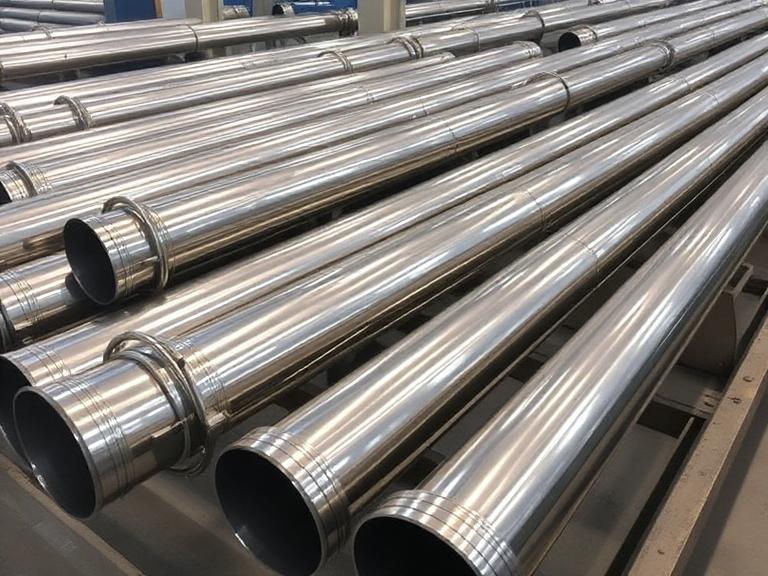
Nickel, as an alloying element, is a metallurgical powerhouse. It radically enhances a metal’s ability to withstand localized corrosion, chloride-induced stress corrosion cracking (SCC), and extreme thermal fatigue. When alloyed with chromium, molybdenum, and tungsten, nickel creates a superalloy capable of surviving where all other metals disintegrate. At TOKO TECH, an export-driven manufacturing enterprise specializing in the R&D, production, and sales of high-end metal pipeline systems, we have witnessed firsthand the transformative power of these materials. Headquartered in Shanghai, China, with manufacturing facilities located in the Yangtze River Delta, our modern production base operates under the philosophy of “Quality First, Innovation Driven.” We are dedicated to providing high-performance, corrosion-resistant, and high-temperature/high-pressure pipeline products for global clients. In this definitive guide, we will dissect the 6 most critical applications of high nickel alloy pipes and tubes across major global industries in 2026.
Table des matières
- 1. The Chemical and Petrochemical Processing Industry
- 2. Advanced Oil and Gas Extraction & Refining
- 3. Power Generation and Nuclear Facilities
- 4. Marine Engineering and Shipbuilding
- 5. Pharmaceutical and Sanitary Food Processing
- 6. Environmental Engineering and Desalination
- Summary Table: Applications of High Nickel Alloy Pipes
- Foire aux questions (FAQ)
- Expert References
1. The Chemical and Petrochemical Processing Industry
The chemical processing sector presents arguably the most aggressive environments known to modern engineering. Reactors, condensers, and transfer lines are routinely exposed to violent mixtures of sulfuric acid, hydrochloric acid, phosphoric acid, and aggressive chlorides. One of the most vital applications of high nickel alloy pipes is the construction of piping networks that can handle these highly corrosive media without rapidly deteriorating.
For instance, standard 316L stainless steel will succumb to pitting and crevice corrosion within weeks when exposed to hot, acidic chloride solutions. However, when we specify alloys like Hastelloy C-276 (Alloy C276) or Inconel 625, the presence of high nickel and molybdenum content creates an impenetrable passive oxide layer. We recommend deploying these specific grades when designing complex heat exchange systems. When working with fabricants d'échangeurs de chaleur à calandre, engineering procurement teams must dictate the exact metallurgical composition. The applications of high nickel alloy pipes within these shell and tube systems ensure that cross-contamination between reactive fluids and cooling water never occurs. To fully grasp how these materials impact thermal transfer efficiency, engineers must rigorously apply standard règles d'ingénierie pour les échangeurs de chaleur.
2. Advanced Oil and Gas Extraction & Refining
The days of tapping easy, shallow oil reserves are over. Today, the energy sector relies on High-Pressure, High-Temperature (HPHT) wells that push mechanical equipment to its absolute limits. Deep downhole environments are frequently flooded with hydrogen sulfide (H2S), carbon dioxide (CO2), and concentrated brines. This “sour gas” environment causes catastrophic sulfide stress cracking in conventional steel. Therefore, the applications of high nickel alloy pipes in the oil and gas sector are not just an upgrade; they are a fundamental safety mandate.
We see the applications of high nickel alloy pipes extensively in downhole tubulars, wellhead components, and subsea tiebacks. Alloy 825 and Alloy 718 are heavily utilized due to their extraordinary resistance to localized corrosion in sour environments. A prominent sector relying heavily on these superalloys is the coiled tubing industry. Understanding coil tubing in oil and gas is critical, as these continuous lengths of pipe are pushed deep into hostile wells for intervention and stimulation. When analyzing the coiled tubing drilling cost, operators know that the initial capital expenditure on high nickel alloys pays massive dividends by preventing premature tubing fatigue and well blowouts. For procurement teams evaluating top-tier providers, partnering with the leading coiled tubing companies guarantees access to premium nickel-grade tubulars. Furthermore, when engineers debate intervention methods, such as evaluating wireline vs coiled tubing, the mechanical strength and chemical resistance of nickel alloy coiled tubing often make it the undisputed choice for heavy-duty cleanouts and fluid pumping.
3. Power Generation and Nuclear Facilities
In power generation, thermal efficiency dictates profitability. Modern supercritical and ultra-supercritical coal power plants, as well as next-generation nuclear reactors, operate at temperatures and pressures that physically warp standard ferritic steels. A non-negotiable area for the applications of high nickel alloy pipes is within boiler tubes, superheaters, and steam generators.
At temperatures exceeding 600 degrees Celsius, creep deformation and high-temperature oxidation become massive threats. We recommend alloys like Inconel 617 or Alloy 690. The exceptionally high nickel content in these grades ensures that the crystalline structure of the metal remains fully austenitic, completely preventing phase transformations that lead to brittleness. The applications of high nickel alloy pipes in nuclear steam generator tubes are particularly critical. Alloy 690 is the global standard for pressurized water reactors (PWRs) due to its near-immunity to primary water stress corrosion cracking (PWSCC). From our experience, utility operators who attempt to extend the life of older, lower-grade piping inevitably suffer from forced outages. The applications of high nickel alloy pipes guarantee decades of uninterrupted baseload power generation.
4. Marine Engineering and Shipbuilding
Seawater is a relentless, highly conductive electrolyte that relentlessly attacks metallic infrastructure. Bio-fouling, localized pitting, and galvanic corrosion plague standard marine piping systems. The applications of high nickel alloy pipes in marine engineering solve these issues through superior metallurgy. TOKO TECH products are heavily utilized in shipbuilding precisely because our high-end metal pipeline systems conquer oceanic degradation.
Monel 400, a solid-solution alloy primarily composed of nickel and copper, is the undisputed king of marine alloys. The applications of high nickel alloy pipes using Monel 400 include seawater cooling systems, ballast piping, and offshore platform splash zones. The nickel matrix naturally resists chloride ion attacks, while the copper content provides inherent anti-fouling properties, preventing barnacles and algae from attaching to the pipeline. Furthermore, when designing complex offshore heat recovery systems, the use of applications des tubes concentriques utilizing high nickel alloys ensures that corrosive seawater can be safely used as a cooling medium without breaching the inner fluid boundary.
5. Pharmaceutical and Sanitary Food Processing
While the chemical and energy sectors focus on preventing pipe destruction, the pharmaceutical and food processing industries focus entirely on preventing product contamination. The applications of high nickel alloy pipes in sanitary environments are driven by the need for ultra-high purity and absolute resistance to aggressive cleaning protocols.
Bioreactors, active pharmaceutical ingredient (API) transfer lines, and sanitary heat exchangers must undergo rigorous Clean-In-Place (CIP) and Sterilize-In-Place (SIP) routines daily. These routines utilize boiling water, highly concentrated caustic soda, and powerful acidic sanitizers. Standard 304 stainless steel will quickly develop rouging and micro-pitting under these conditions, creating harbor points for bacterial growth. We recommend utilizing high nickel alloys like Hastelloy C-22 or Alloy 20 for these critical product-contact surfaces. The applications of high nickel alloy pipes ensure that the internal surface finish remains immaculately smooth, preventing metallic ion leaching into sensitive biological batches or food products, thereby guaranteeing strict FDA compliance and consumer safety.
6. Environmental Engineering and Desalination
As the world faces critical freshwater shortages and stringent environmental discharge regulations, the applications of high nickel alloy pipes have become paramount in desalination plants and Zero Liquid Discharge (ZLD) wastewater treatment facilities. Desalination involves processing hyper-saline brine at high pressures. The chloride concentration in reverse osmosis (RO) reject brine or multi-stage flash (MSF) distillation plants is devastating to lesser metals.
Super austenitic alloys and nickel-based superalloys (such as Incoloy 825) are explicitly required here. We frequently see the applications of high nickel alloy pipes in the evaporator stages of thermal desalination plants. To maximize thermal transfer efficiency in these massive environmental engineering projects, integrating advanced produits de tubes à ailettes made from high nickel alloys drastically increases the surface area for heat exchange while providing absolute immunity to brine-induced pitting corrosion. TOKO TECH is deeply committed to supporting these environmental engineering initiatives with high-performance, corrosion-resistant pipeline products.
Summary Table: Applications of High Nickel Alloy Pipes
To provide a clear, actionable overview for engineering procurement officers, we have consolidated the primary applications of high nickel alloy pipes into the following reference matrix.
| Industry Sector | Typical Nickel Alloys Used | Core Engineering Challenge Solved | Primary Pipeline Component |
|---|---|---|---|
| Traitement chimique | Hastelloy C-276, Alloy 20 | Immunity to aggressive acids, localized pitting, and crevice corrosion. | Reactor transfer lines, shell and tube heat exchangers. |
| Oil and Gas Extraction | Inconel 718, Alloy 825 | Resistance to H2S sour gas, high pressure, and high temperature. | Coiled tubing, downhole tubulars, wellhead piping. |
| Production d'électricité | Inconel 617, Alloy 690 | Prevention of creep deformation, high-temperature oxidation, PWSCC. | Superheaters, nuclear steam generators, boiler tubes. |
| Marine and Shipbuilding | Monel 400 (Nickel-Copper) | Resistance to seawater corrosion and marine bio-fouling. | Seawater cooling pipes, ballast systems, splash zones. |
| Pharma & Food Processing | Hastelloy C-22, Alloy 600 | Resistance to harsh CIP/SIP chemicals, preventing ion leaching. | Bioreactors, high-purity API transfer lines. |
| Desalination & Environment | Incoloy 825, Super Austenitics | Survival in hyper-saline brine and zero liquid discharge environments. | MSF evaporators, high-pressure RO brine discharge pipes. |
Foire aux questions (FAQ)
1. Why are the applications of high nickel alloy pipes so much more expensive than stainless steel?
From our experience, the initial capital expenditure is higher because nickel, chromium, and molybdenum are expensive, highly sought-after commodity metals. Furthermore, the metallurgical processes required to melt, extrude, and seamlessly draw these superalloys require massive energy and highly specialized tooling. However, the Total Cost of Ownership (TCO) is vastly lower, as high nickel alloys eliminate the need for constant maintenance, pipeline replacement, and costly facility downtime.
2. How do high nickel alloy pipes prevent stress corrosion cracking (SCC)?
Stress corrosion cracking occurs when a susceptible metal is subjected to tensile stress in a corrosive environment (like hot chlorides). Standard austenitic stainless steels (like 304 or 316) are highly vulnerable to this. We recommend high nickel alloys because a nickel content above 30% stabilizes the face-centered cubic (FCC) crystal structure of the metal, making it virtually immune to transgranular chloride stress corrosion cracking.
3. Can TOKO TECH manufacture custom high nickel alloy pipes for specialized applications?
Absolutely. As an export-driven manufacturing enterprise headquartered in Shanghai, TOKO TECH excels at providing customized, high-end metal pipeline systems. We adhere to “Quality First, Innovation Driven” principles, ensuring our high-temperature and high-pressure products meet the exact metallurgical specifications required by our global clients in the petrochemical, nuclear, and pharmaceutical sectors.
Expert References
To ensure your engineering standards align with global best practices regarding the metallurgy and applications of high nickel alloy pipes, we strongly advise consulting the following authoritative bodies:
- National Institute of Standards and Technology (NIST) – Provides foundational data on the thermophysical properties and mechanical limits of nickel-based superalloys under extreme stress.
- Département de l'énergie des États-Unis (DOE) – Offers extensive research on advanced materials for power generation, specifically focusing on the deployment of nickel alloys in ultra-supercritical coal and next-generation nuclear reactor programs.
 French
  English
  Spanish
  Russian
  Turkish
  Korean
  German
  Italian