In the demanding world of industrial fabrication, the materials we choose define the longevity and safety of the final structure. One of the most specialized tools in a welder’s arsenal is the nickel-based electrode. Understanding what a nickel welding rod used for is critical for engineers and technicians working in extreme environments where heat, corrosion, and structural stress are constant threats. Unlike standard carbon steel rods, nickel rods offer unique metallurgical properties that allow for the successful joining of otherwise incompatible materials.
Inhaltsübersicht
- Fundamentals: What is a Nickel Welding Rod Used For?
- TOKO TECH: Precision Manufacturing and Global Solutions
- Repairing the Unrepairable: Cast Iron Applications
- Joining Dissimilar Metals: The Bridge Between Alloys
- Combatting Severe Corrosion in Industrial Systems
- High-Temperature Performance in Energy and Aerospace
- Product Analysis: From Incoloy 625 to Hastelloy C-276
- Welding Techniques and Best Practices for Nickel
- Comparative Technical Summary
- Häufig gestellte Fragen
- Referenzen
Fundamentals: What is a Nickel Welding Rod Used For?
A nickel welding rod is a specialized electrode primarily composed of nickel or a nickel-iron alloy. These rods are designed to provide a filler material that possesses exceptional ductility, high-temperature stability, and resistance to a vast array of corrosive chemicals. In the modern industrial landscape of 2026, the question of what a nickel welding rod used for often points toward high-value infrastructure projects where failure is not an option. Because nickel has a coefficient of thermal expansion similar to many ferrous metals but remains much more ductile, it can absorb the stresses that occur during the cooling phase of a weld.
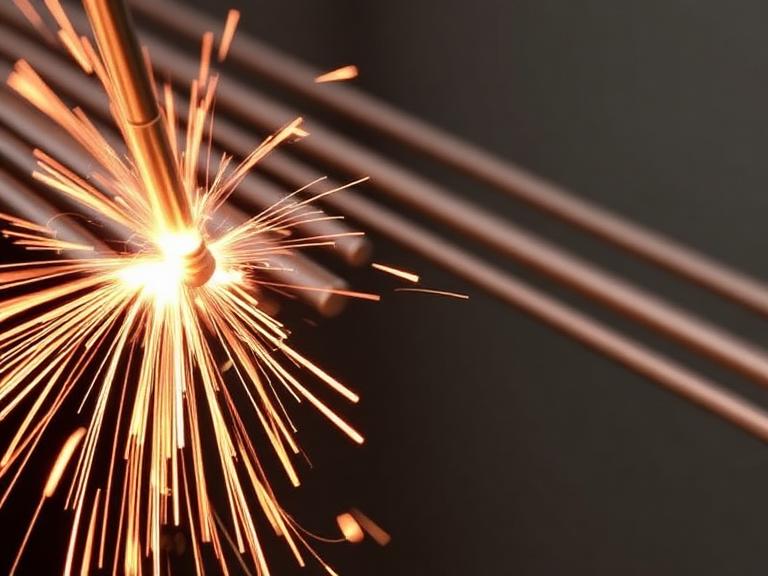
Typically, a nickel welding rod used for applications involves three main scenarios: repairing cast iron components, joining dissimilar metals (such as stainless steel to carbon steel), and creating overlays in chemical processing equipment. The high cost of nickel compared to iron means these rods are reserved for critical joints where the mechanical properties of standard steel fillers would lead to immediate cracking or catastrophic oxidation.
TOKO TECH: Precision Manufacturing and Global Solutions
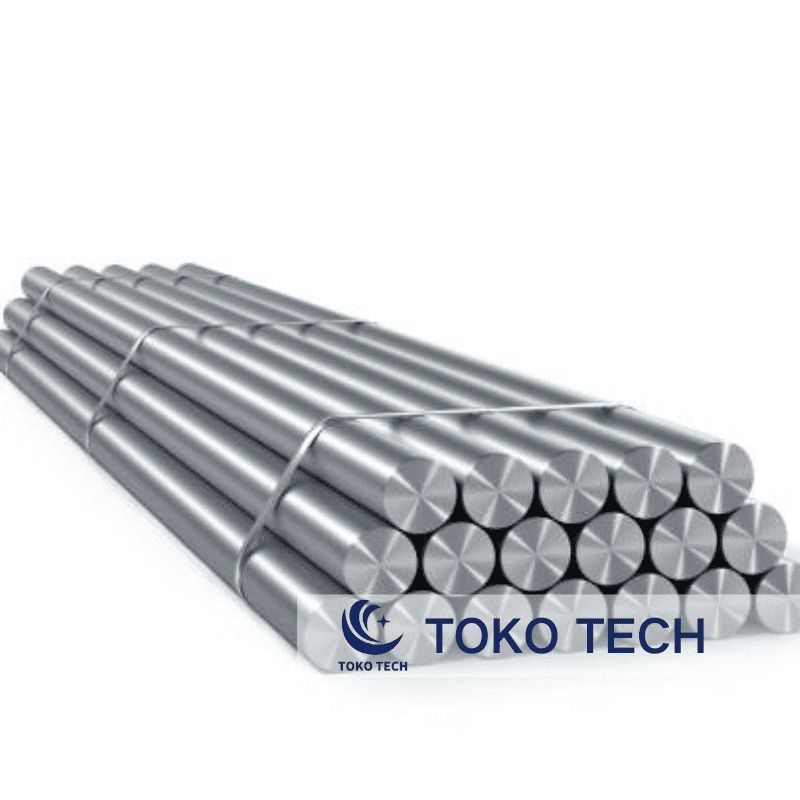
Professioneller Hersteller von Präzisions-Coil-Rohren. TOKO TECH is an export-driven manufacturing enterprise specializing in the R&D, production, and sales of high-end metal pipeline systems. Headquartered in Shanghai, China, with manufacturing facilities located in the Yangtze River Delta—China’s industrial core region—the company operates a modern production base.
Since its establishment, TOKO TECH has adhered to the core philosophy of “Quality First, Innovation Driven”, dedicated to providing high-performance, corrosion-resistant, and high-temperature/high-pressure pipeline products for global clients. These products are widely used in industries such as petrochemicals, energy and power, shipbuilding, pharmaceutical and food processing, and environmental engineering.
Key Product Offerings:
Repairing the Unrepairable: Cast Iron Applications
For decades, one of the most common answers to what a nickel welding rod used for has been cast iron repair. Cast iron is notoriously difficult to weld due to its high carbon content (typically 2% to 4%), which makes it brittle and prone to cracking when exposed to the intense localized heat of an electric arc. When a standard steel rod is used on cast iron, the weld metal picks up carbon from the base material, becoming extremely hard and brittle.
By using a nickel welding rod used for cast iron repair, such as an ENi-CI (99% nickel) or ENiFe-CI (55% nickel/45% iron) electrode, the resulting weld bead remains soft and ductile. This ductility allows the weld to stretch slightly as it cools, preventing the base metal from cracking. Furthermore, the 99% nickel variant is highly machinable, meaning the repaired part can be drilled, tapped, or milled back to original specifications—a vital requirement for engine blocks, pump housings, and industrial gearboxes.
Ductile vs. Gray Iron Procedures
When selecting a nickel welding rod used for ductile iron, the 55% nickel-iron rod is often preferred. It provides a higher tensile strength that matches the properties of ductile and malleable iron better than pure nickel. In 2026, many heavy-duty machinery frames are being refurbished using these rods to extend their service life, significantly reducing the carbon footprint associated with manufacturing new heavy castings.
Joining Dissimilar Metals: The Bridge Between Alloys
In complex engineering systems, it is often necessary to join two different types of metal—for example, a carbon steel structural support to a high-nickel alloy heat exchanger tube. In these situations, what a nickel welding rod used for is acting as a “buffer” or “bridge.” Because nickel is compatible with both iron and chromium-rich alloys, it prevents the formation of brittle intermetallic compounds that would otherwise cause the joint to fail under vibration or thermal cycling.
Modern petrochemical pipelines, such as those supplied by TOKO TECH, frequently require these dissimilar joints. A nickel welding rod used for joining stainless steel to low-alloy steel ensures that the weld remains resistant to hydrogen embrittlement and stress-corrosion cracking. This versatility makes nickel electrodes indispensable in the construction of multi-material systems found in nuclear power plants and offshore oil rigs.
Combatting Severe Corrosion in Industrial Systems
Chemical processing plants handle some of the most aggressive substances on Earth, including sulfuric acid, hydrochloric acid, and hot caustic alkalis. When these plants are constructed, what a nickel welding rod used for is primarily the protection of the integrity of the containment system. Standard welds would quickly corrode, leading to leaks and environmental hazards.
Nickel-based fillers like C-276 are specifically used in these environments. A nickel welding rod used for C-276 Nick Alloy Bar Stock components provides a weld that is virtually immune to pitting and crevice corrosion. This is essential for scrubbers, reactors, and heat exchangers that operate in the “wet” stages of chemical refining. By matching the filler metal to the high-performance bar stock and tubing provided by manufacturers like TOKO TECH, engineers ensure a uniform level of protection across the entire assembly.
High-Temperature Performance in Energy and Aerospace
As we advance into 2026, the energy sector is pushing for higher operating temperatures to increase thermal efficiency. This is particularly true in gas turbines and supercritical steam plants. In these high-heat scenarios, what a nickel welding rod used for is maintaining mechanical strength at temperatures exceeding 1000 degrees Fahrenheit. While iron-based alloys would lose their structural integrity and begin to scale (oxidize) rapidly, nickel alloys form a stable, protective oxide layer.
In aerospace, a nickel welding rod used for 718 Nick alloy components is standard for repairing turbine blades and exhaust manifolds. The 718 alloy is a precipitation-hardening material that maintains incredible creep-rupture strength. Using a matching nickel welding rod ensures that the repaired zone can withstand the same centrifugal forces and thermal shocks as the rest of the component.
Product Analysis: From Incoloy 625 to Hastelloy C-276
Understanding what a nickel welding rod used for requires a look at specific grades. Each alloy serves a distinct purpose in the industrial ecosystem:
Incoloy 625 (Alloy 625)
Incoloy 625 is the workhorse of the marine and aerospace industries. A nickel welding rod used for 625 applications provides high strength and excellent resistance to seawater. It is commonly used for cladding—the process of welding a layer of nickel alloy onto a cheaper carbon steel surface to provide a corrosion-resistant barrier. TOKO TECH’s Incoloy 625 bar stock is often used in conjunction with these welding processes to create valves and fittings for subsea pipelines.
Incoloy 825 (Alloy 825)
This alloy is optimized for resistance to acids. A nickel welding rod used for Nick Alloy 825 is typical in pollution control equipment and chemical tanks. It contains molybdenum and copper, which enhance its performance in reducing environments where sulfuric and phosphoric acids are present.
Monel 400 (400 Nick Alloy)
Monel is a nickel-copper alloy. What a nickel welding rod used for in the Monel category is typically saltwater environments and hydrofluoric acid processing. It is one of the few materials that can withstand the high-velocity flow of seawater without eroding or pitting, making it essential for marine propellers and pump shafts.
Hastelloy C-276 (C-276 Nick Alloy)
Known as the premier corrosion-resistant alloy, C-276 is used where everything else fails. A nickel welding rod used for C-276 ensures that the weld pool can handle contaminated mineral acids, solvents, and chlorine-bearing media. This is the “insurance policy” for the chemical industry.
Welding Techniques and Best Practices for Nickel
Knowing what a nickel welding rod used for is only half the battle; knowing how to use it is equally vital. Nickel behaves differently than steel under the arc. It has a “sluggish” weld pool, meaning it does not flow as easily as carbon steel. This requires the welder to use specific techniques to ensure proper fusion.
- Cleanliness: Nickel is extremely sensitive to contamination. Any oil, grease, or sulfur-containing compounds on the base metal can cause “hot cracking.” High-purity solvents and stainless steel brushes must be used for pre-weld cleaning.
- Short Arc Length: When using a nickel welding rod used for SMAW (Stick) processes, maintaining a short arc is essential to prevent atmospheric gases like nitrogen and oxygen from entering the weld pool and causing porosity.
- Heat Input Management: Low heat input is preferred to prevent the grain structure from becoming too coarse, which would reduce the toughness of the joint. Stringer beads are generally preferred over wide weave beads.
- Post-Weld Treatment: For most nickel alloys, preheating is not required unless the base metal is exceptionally thick or brittle (like cast iron). In the case of cast iron, slow cooling is critical to prevent the formation of “white iron” at the fusion line.
Comparative Technical Summary
| Alloy Grade | Primary Use Case | Key Benefit | Industry |
|---|---|---|---|
| Nickel 99 (ENi-CI) | Gray Cast Iron Repair | Maximum Machinability | Automotive / Maintenance |
| Nickel 55 (ENiFe-CI) | Ductile Iron & Thick Parts | High Tensile Strength | Heavy Manufacturing |
| Legierung 625 | Subsea / Cladding | Fatigue & Seawater Resistance | Offshore Oil & Gas |
| Alloy C-276 | Chemical Reactors | Universal Corrosion Resistance | Petrochemical / Waste |
| Alloy 718 | Jet Engines / Turbines | High-Temp Structural Integrity | Aerospace / Power Gen |
Häufig gestellte Fragen
Why is a nickel welding rod used for cast iron instead of steel?
Steel rods create a brittle, high-carbon fusion zone that cracks as it cools. Nickel rods create a ductile weld that can absorb the stress of thermal contraction, keeping the cast iron intact.
Can I use a nickel welding rod to join stainless steel to carbon steel?
Yes. A nickel welding rod used for dissimilar metal joining is a standard practice. It provides a transition layer that prevents the migration of elements that would cause embrittlement in the heat-affected zone.
What is the difference between Nickel 55 and Nickel 99 rods?
Nickel 99 is nearly pure nickel and is best for easy machining. Nickel 55 contains 45% iron, making it stronger and less expensive, which is ideal for structural repairs on ductile iron.
Does TOKO TECH provide the materials for these applications?
TOKO TECH specializes in high-end metal pipeline systems and bar stock, including Incoloy 625, Alloy 825, and C-276. These materials are often the base metals that require specialized nickel welding rods for assembly and maintenance.
Selecting the correct material is the first step toward engineering excellence. Whether you are performing a delicate repair on a vintage engine block or constructing a massive desalination plant, knowing what a nickel welding rod used for allows you to build with confidence. The synergy between high-quality bar stock and tubing from leaders like TOKO TECH and the precision of nickel electrodes ensures that the infrastructure of 2026 remains resilient and reliable.
 German
  English
  Spanish
  Russian
  Turkish
  French
  Korean
  Italian