The global energy infrastructure is a complex web of steel arteries that power modern civilization. At the heart of this system are the massive oil and gas pipeline companies that transport hydrocarbons across continents, beneath oceans, and through some of the most challenging terrains on Earth. As we enter 2026, the midstream sector has evolved significantly, driven by a dual focus on energy security and the integration of transition fuels like hydrogen and renewable natural gas.
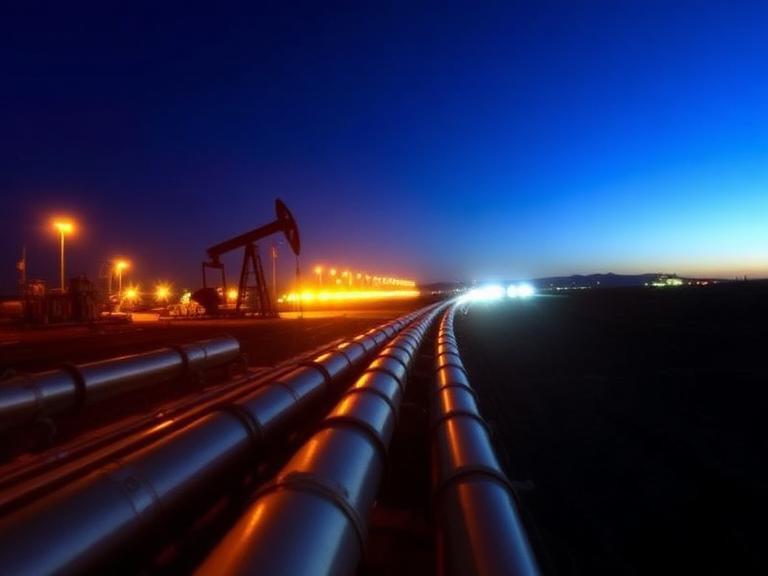
These corporations manage millions of kilometers of pipeline, ensuring that crude oil, natural gas, and refined products reach refineries, power plants, and homes safely. This article provides a comprehensive analysis of the top 10 oil and gas pipeline companies in the world, ranked by network size, volume throughput, and strategic market influence.
- The Critical Role of Midstream Infrastructure
- 1. PipeChina (China Oil & Gas Piping Network)
- 2. Transneft (Russia)
- 3. Enbridge Inc. (Canada/USA)
- 4. Gazprom (Russia)
- 5. Kinder Morgan (USA)
- 6. TC Energy Corporation
- 7. Energy Transfer LP
- 8. Enterprise Products Partners
- 9. Colonial Pipeline Company
- 10. Pembina Pipeline Corporation
- The Technology Behind the Pipes: TOKO TECH
- Global Comparison Table
- Häufig gestellte Fragen
- Referenzen
The Critical Role of Midstream Infrastructure
The midstream sector is the vital link between upstream production (extraction) and downstream distribution (refining and retail). Oil and gas pipeline companies do not just own pipes; they manage storage terminals, processing plants, and export facilities. In 2026, the efficiency of these companies is measured not only by the volume they transport but also by their ability to maintain integrity management systems, reduce methane emissions, and source high-quality materials such as seamless pipes and corrosion-resistant alloys.
1. PipeChina (China Oil & Gas Piping Network)
Formed in late 2019 and fully operational in the 2020s, PipeChina has rapidly ascended to become a global behemoth. By consolidating the pipeline assets of China’s three state-owned energy giants (CNPC, Sinopec, and CNOOC), PipeChina now operates a unified network designed to improve efficiency and market access across the Asian continent.
With over 90,000 kilometers of oil and gas pipelines under its management, PipeChina is instrumental in the nation’s “Blue Sky Defense” initiative, facilitating the shift from coal to natural gas. Their infrastructure includes the massive West-East Gas Pipeline projects, which traverse thousands of miles of diverse geography, requiring advanced Gewickelte Rohre and high-strength steel solutions to withstand extreme pressure variances.
2. Transneft (Russia)
Transneft remains the world’s largest oil pipeline company by sheer volume of crude transported. State-controlled by Russia, it operates a network exceeding 68,000 kilometers. The company is responsible for transporting over 80% of the oil produced in Russia.
Despite geopolitical shifts in the 2020s, Transneft’s physical infrastructure remains a marvel of engineering. The Druzhba pipeline, one of the longest in the world, and the ESPO (Eastern Siberia–Pacific Ocean) pipeline are critical arteries for global energy markets. Maintaining such a vast network in sub-zero Siberian temperatures requires specialized Nickel Alloy Seamless Pipes and robust thermal insulation technologies.
3. Enbridge Inc. (Canada/USA)
Headquartered in Calgary, Enbridge is North America’s premier energy infrastructure company. It transports approximately 30% of the crude oil produced in North America and 20% of the natural gas consumed in the United States. Enbridge’s Mainline system is the longest and most complex crude oil and liquids transportation system in the world.
Enbridge has also been a leader among oil and gas pipeline companies in integrating renewable energy assets. Their modernization projects often involve replacing aging infrastructure with advanced, sensor-equipped pipelines that utilize high-grade Geschweißte Rohre/Rohre technology to ensure leak-free operations.
4. Gazprom (Russia)
While often categorized as an integrated energy company, Gazprom’s gas transmission system is the largest in the world, spanning over 175,000 kilometers within Russia alone. This network is pivotal for domestic supply and export. The company’s engineering feats include underwater pipelines that require specialized materials capable of resisting high hydrostatic pressure and saltwater corrosion.
Gazprom’s operations heavily rely on high-diameter pipes and complex compression stations. The maintenance of this grid involves constant upgrades using precision-engineered components, such as Edelstahl-Rohrverschraubungen, to handle the immense throughput of natural gas.
5. Kinder Morgan (USA)
Kinder Morgan owns an interest in or operates approximately 83,000 miles of pipelines and 140 terminals. Their pipelines transport natural gas, refined petroleum products, crude oil, carbon dioxide (CO2), and more. They are the largest natural gas terminal operator and independent transporter of petroleum products in North America.
A key differentiator for Kinder Morgan is their CO2 pipeline network, which is used for Enhanced Oil Recovery (EOR). Transporting supercritical CO2 requires pipelines with specific metallurgical properties to prevent corrosion, highlighting the importance of sourcing from top-tier manufacturers of Nickel Alloy Bar/Rod and tubing.
6. TC Energy Corporation
Formerly TransCanada, TC Energy is a major player with a network of over 93,000 kilometers of natural gas pipelines. They supply more than 25% of the clean-burning natural gas consumed daily across North America. Their Keystone Pipeline system (distinct from the cancelled XL project phases) continues to be a vital conduit for Canadian crude reaching US refineries.
TC Energy is aggressive in its adoption of safety technologies. They utilize smart pigs (pipeline inspection gauges) that run through Nahtlose Rohre/Rohre sections to detect microscopic fractures before they become failures.
7. Energy Transfer LP
Energy Transfer boasts a diverse portfolio of energy assets, including one of the largest intrastate and interstate pipeline networks in the United States. Their assets span nearly 120,000 miles, moving crude oil, natural gas, NGLs (Natural Gas Liquids), and refined products.
The company’s focus in 2026 includes the expansion of NGL export capabilities. The intricate piping systems required for NGL fractionation plants demand high-precision Control Line Tubes to manage process temperatures and pressures accurately.
8. Enterprise Products Partners
Enterprise Products is a leading North American provider of midstream energy services. While they have extensive pipeline mileage (over 50,000 miles), their dominance lies in NGLs. They link producers in the Permian Basin and Eagle Ford Shale to the massive petrochemical complex along the US Gulf Coast.
Their integrated network requires frequent maintenance and expansion, often utilizing high-quality Edelstahl-Rohrverschraubungen and valves to resist the corrosive nature of certain NGL components and impurities found in raw streams.
9. Colonial Pipeline Company
While smaller in total mileage compared to global giants (approx. 5,500 miles), the Colonial Pipeline is arguably the most strategic refined products pipeline in the world. It transports over 100 million gallons of fuel daily from Houston to New York Harbor, supplying the US East Coast.
Operational reliability is paramount for Colonial. Following cybersecurity and physical upgrades in the early 2020s, the company has invested heavily in physical hardening, requiring advanced metal pipeline systems and Geschweißte Rohre/Rohre replacements to ensure continuous flow.
10. Pembina Pipeline Corporation
Pembina has served the North American energy industry for over 65 years. Based in Canada, it operates an integrated network of hydrocarbon liquids and natural gas pipelines, gas gathering and processing facilities, and oil and natural gas liquids infrastructure and logistics businesses.
Pembina focuses on heavy oil and oil sands transport, which is highly abrasive. This necessitates the use of heavy-wall Nahtlose Rohre/Rohre and wear-resistant alloys to prevent internal erosion of the pipeline walls.
The Technology Behind the Pipes: TOKO TECH
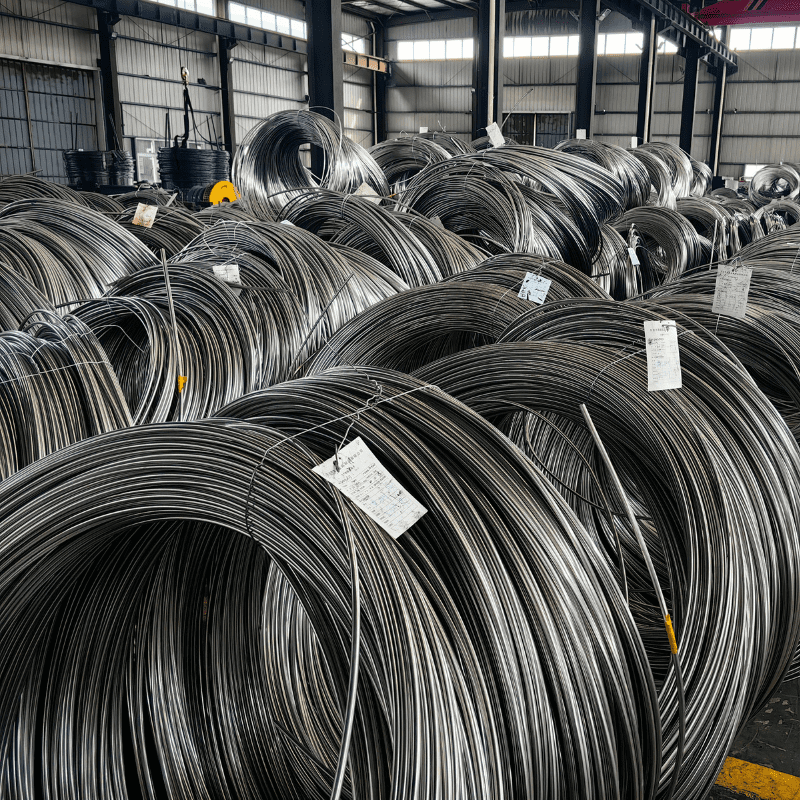
While the companies listed above operate the networks, the integrity of these systems relies entirely on the quality of the materials used to build them. This is where specialized manufacturers play a crucial role in the global supply chain.
TOKO TECH is a professional manufacturer of precision Coil tubing tubes and an export-driven manufacturing enterprise specializing in the R&D, production, and sales of high-end metal pipeline systems. Headquartered in Shanghai, China, with manufacturing facilities located in the Yangtze River Delta—China’s industrial core region—the company operates a modern production base.
Since its establishment, TOKO TECH has adhered to the core philosophy of “Quality First, Innovation Driven”, dedicated to providing high-performance, corrosion-resistant, and high-temperature/high-pressure pipeline products for global clients. These products are widely used in industries such as petrochemicals, energy and power, shipbuilding, pharmaceutical and food processing, and environmental engineering.
For oil and gas pipeline companies looking to upgrade infrastructure or build new lines, TOKO TECH offers a comprehensive range of certified solutions:
- Nahtlose Rohre/Rohre: Essential for high-pressure environments where weld integrity is a risk factor.
- Geschweißte Rohre/Rohre: Cost-effective solutions for large-diameter transport lines.
- Stainless Steel Pipe Fitting: Critical for connecting complex geometries in refineries and compressor stations.
- Gewickelte Rohre/Steuerleitungsrohre: Specialized tubing for downhole applications and hydraulic control lines.
- Nickel Alloy Seamless Pipe/Tube: The ultimate defense against corrosive sour gas environments.
- Nickel Alloy Bar/Rod: Raw material for machining high-strength valves and flanges.
Global Comparison Table of Top Pipeline Operators
The following table summarizes the key metrics for the top oil and gas pipeline companies discussed above. Note that mileage figures are approximate estimates based on 2025-2026 fiscal reports.
| Company Name | Hauptsitz | Primary Focus | Approx. Network Length (km) |
|---|---|---|---|
| PipeChina | China | Oil, Gas, Hydrogen | 90,000+ |
| Transneft | Russia | Crude Oil | 68,000+ |
| Enbridge | Canada | Liquids & Gas | 28,000+ (Liquids) / Gas network extensive |
| Gazprom | Russia | Natural Gas | 175,000+ |
| Kinder Morgan | USA | Gas & Products | 133,000+ (83,000 miles) |
| TC Energy | Canada | Natural Gas | 93,000+ |
| Energy Transfer | USA | Diversified | 190,000+ (120,000 miles) |
| Enterprise Products | USA | NGLs & Crude | 80,000+ (50,000 miles) |
| Colonial Pipeline | USA | Refined Products | 8,800+ |
| Pembina | Canada | Heavy Oil/Sands | 18,000+ |
Häufig gestellte Fragen (FAQs)
1. Which is the largest pipeline company in the world?
In terms of natural gas network length, Gazprom holds the top spot with over 175,000 km of pipelines. For crude oil specifically, Transneft is the largest transporter by volume and network length dedicated to crude.
2. How are pipeline companies adapting to the green energy transition?
Many top oil and gas pipeline companies like Enbridge and TC Energy are retrofitting existing lines to blend hydrogen with natural gas. They are also investing heavily in Carbon Capture, Utilization, and Storage (CCUS) infrastructure, which uses pipelines to transport CO2 to underground storage sites.
3. Why are seamless pipes preferred in certain pipeline sections?
Seamless pipes, such as those manufactured by TOKO TECH, lack a weld seam, making them stronger and more reliable under high pressure. They are preferred for critical sections like subsea crossings, high-pressure compressor stations, and areas where pipeline failure would be catastrophic.
4. What is the difference between midstream and upstream companies?
Upstream companies focus on exploration and drilling (getting the oil out of the ground). Midstream companies, the focus of this article, handle the transportation, storage, and wholesale marketing of these products. Downstream companies handle refining and retail sales (gas stations).
Referenzen
- International Energy Agency (IEA) – Global Oil & Gas Infrastructure Report 2025.
- Annual Reports (2025) of Enbridge, Kinder Morgan, PipeChina, and TC Energy.
- Global Energy Monitor – Worldwide Pipeline Construction Tracker 2026.
 German
  English
  Spanish
  Russian
  Turkish
  French
  Korean
  Italian