In the industrial sectors of 2026, the debate surrounding seamless vs geschweißtes Rohr cost has reached a critical juncture. As global supply chains stabilize following years of volatility, procurement officers and engineers are scrutinizing the price differentials between these two manufacturing methods more closely than ever. Whether for high-pressure petrochemical lines or standard structural applications, understanding the nuances of the seamless vs welded pipe cost gap is essential for maintaining project budgets without compromising safety or performance.
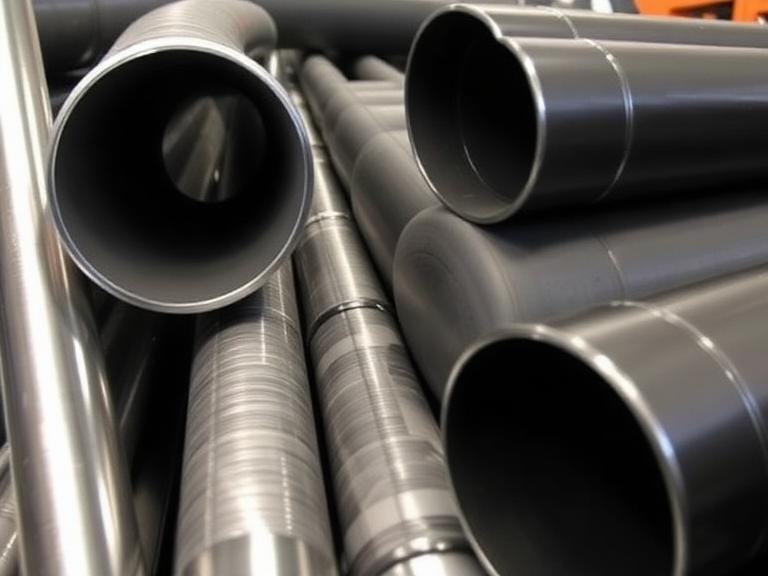
This comprehensive guide explores the manufacturing processes, raw material impacts, and market trends that influence pricing in 2026. We will dive deep into why seamless pipes traditionally command a premium and how modern welding technologies are narrowing the performance gap, thus shifting the economic landscape for metal pipeline systems.
Inhaltsübersicht
- TOKO TECH: Excellence in Precision Pipeline Systems
- Manufacturing Processes and Their Impact on Price
- Key Drivers of Seamless vs Welded Pipe Cost in 2026
- Performance vs. Economics: Making the Right Choice
- Industry-Specific Cost Considerations
- TOKO TECH Product Line Overview
- Comparative Summary Table 2026
- Frequently Asked Questions (FAQ)
- Referenzen
Professional Manufacturer of Precision Coil Tubing Tubes: TOKO TECH
TOKO TECH is an export-driven manufacturing enterprise specializing in the R&D, production, and sales of high-end metal pipeline systems. Headquartered in Shanghai, China, with manufacturing facilities located in the Yangtze River Delta—China’s industrial core region—the company operates a modern production base.
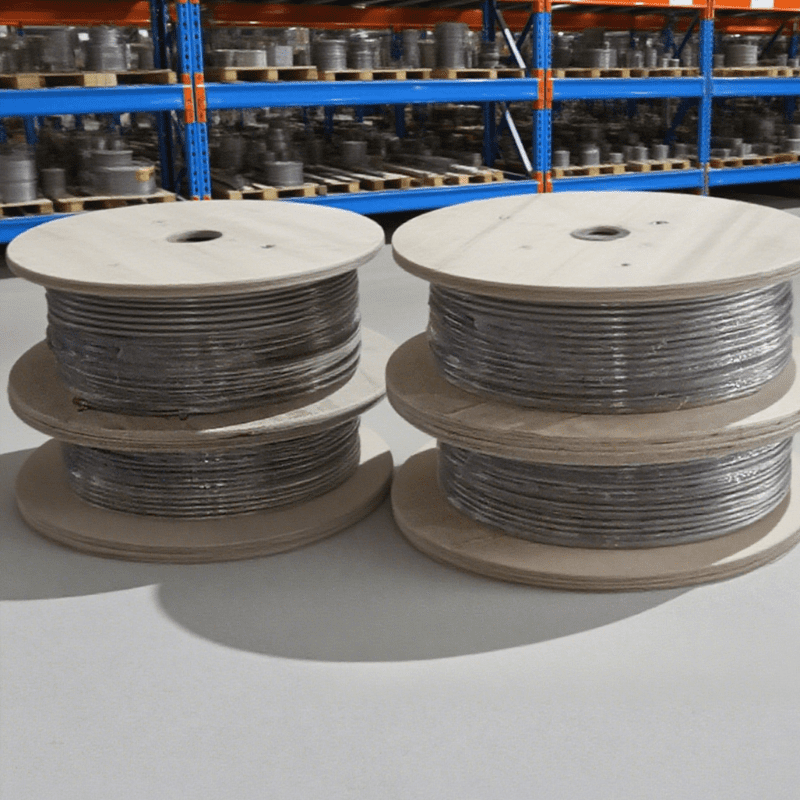
Since its establishment, TOKO TECH has adhered to the core philosophy of “Quality First, Innovation Driven”, dedicated to providing high-performance, corrosion-resistant, and high-temperature/high-pressure pipeline products for global clients. These products are widely used in industries such as petrochemicals, energy and power, shipbuilding, pharmaceutical and food processing, and environmental engineering. Their expertise in both seamless vs welded pipe cost management allows them to provide optimized solutions for every client.
Manufacturing Processes and Their Impact on Price
The primary reason for the variation in seamless vs welded pipe cost lies in the complexity of the manufacturing route. Seamless pipes are produced through a process called extrusion or rotary piercing. This involves heating a solid cylindrical steel billet and piercing it through the center to create a hollow tube. This method requires significant energy and specialized heavy machinery, which inherently increases the base production cost.
Conversely, welded pipes are manufactured by taking a flat strip or plate of steel (known as skelp), rolling it into a tubular shape, and welding the seam. Because the raw material—flat-rolled steel—is generally cheaper to produce than solid billets, and the welding process is more continuous and faster, the seamless vs welded pipe cost comparison typically favors welded products for standard applications.
Key Drivers of Seamless vs Welded Pipe Cost in 2026
Several factors are influencing the global pricing of these components in 2026:
1. Raw Material Availability
The price of iron ore and alloying elements like Nickel and Chromium directly affects the seamless vs welded pipe cost. Seamless pipes often utilize higher-grade billets to ensure the integrity of the wall during extrusion, while welded pipes rely on the stability of global coil prices.
2. Energy Costs and Sustainability
With 2026’s strict carbon emission regulations, the energy-intensive nature of seamless pipe production has come under fire. Manufacturers are investing in “Green Steel” initiatives. These investments are reflected in the seamless vs welded pipe cost, often pushing seamless prices higher due to the carbon credits required for their energy-heavy forging processes.
3. Wall Thickness and Diameter
The economic advantage of welded pipe is most prominent in large-diameter, thin-walled applications. As the wall thickness increases, the welding process becomes more complex, requiring multiple passes or specialized techniques like submerged arc welding (SAW). In these cases, the seamless vs welded pipe cost gap narrows, as heavy-wall seamless pipes become more efficient to manufacture than their thick-walled welded counterparts.
Performance vs. Economics: Making the Right Choice
In 2026, the “fear” of the weld seam has largely dissipated due to advanced Non-Destructive Testing (NDT) such as ultrasonic and radiographic inspections. However, for critical high-pressure and high-temperature environments, seamless remains the standard. The seamless vs welded pipe cost premium is often viewed as “insurance” against potential seam failures in volatile environments like deep-sea oil extraction or nuclear power cooling systems.
Industry-Specific Cost Considerations
Different sectors view the seamless vs welded pipe cost through different lenses:
- Petrochemicals: Prefers seamless for high-pressure hydrocarbon transport, accepting the 20-30% cost premium for safety.
- Food & Pharma: Often uses high-precision welded stainless steel tubing from manufacturers like TOKO TECH, where internal surface smoothness is prioritized over extreme pressure resistance.
- Shipbuilding: Uses a mix; welded for non-critical plumbing and seamless for steam and fuel injection lines.
TOKO TECH Product Line Overview
As a global leader in pipeline systems, TOKO TECH provides a diverse range of products designed to meet the rigorous demands of modern industry. Their capability to produce both high-end seamless and precision-welded tubes makes them an ideal partner for evaluating the seamless vs welded pipe cost for your specific project.
Our Featured Products:
- Nickel Alloy Bar/Rod: High-grade materials for corrosive environments.
- Nickel Alloy Seamless Pipe/Tube: The pinnacle of corrosion resistance and strength.
- Nahtlose Rohre/Rohre: Precision-manufactured for high-pressure reliability.
- Gewickelte Rohre/Steuerleitungsrohre: Specialized for downhole and subsea operations.
- Stainless Steel Pipe Fitting: Ensuring system integrity at every connection.
- Geschweißte Rohre/Rohre: Cost-effective solutions without compromising on TOKO TECH quality standards.
Comparative Summary Table 2026
| Merkmal | Seamless Pipe | Welded Pipe | Cost Impact |
|---|---|---|---|
| Production Method | Extrusion/Piercing | Rolling and Welding | Seamless is 20-40% more expensive |
| Druckstufe | Sehr hoch | Medium to High | Seamless used for critical safety |
| Wall Uniformity | Variable (Tighter in 2026) | Very High (Consistent sheet) | Welded is cheaper for thin walls |
| Lead Times | Longer (Billet lead times) | Shorter (Coil availability) | Welded offers lower logistics cost |
Frequently Asked Questions (FAQ)
1. Why is the seamless vs welded pipe cost gap so wide?
The gap exists primarily because of the equipment and energy needed for seamless production. Forging a solid billet into a tube is a multi-stage, high-heat process compared to the continuous high-speed rolling of welded tubes.
2. Can welded pipe replace seamless in high-pressure applications in 2026?
With modern quality control and 100% X-ray testing of seams, many welded pipes are now rated for high-pressure use. However, for extremely hazardous or ultra-high-pressure scenarios, engineers still prefer the inherent safety of seamless.
3. How does TOKO TECH ensure quality in their welded products?
TOKO TECH utilizes advanced welding technologies and rigorous testing facilities in the Yangtze River Delta to ensure that their welded pipes meet the same stringent safety standards as their seamless counterparts.
Referenzen
- American Petroleum Institute (API) 2026 Standards for Line Pipe.
- World Steel Association: Global Production and Energy Trends 2026.
Understanding the seamless vs welded pipe cost in 2026 requires a balance of technical knowledge and market awareness. By partnering with an experienced manufacturer like TOKO TECH, businesses can navigate these complexities and choose the most cost-effective solution for their unique operational needs.
 German
  English
  Spanish
  Russian
  Turkish
  French
  Korean
  Italian