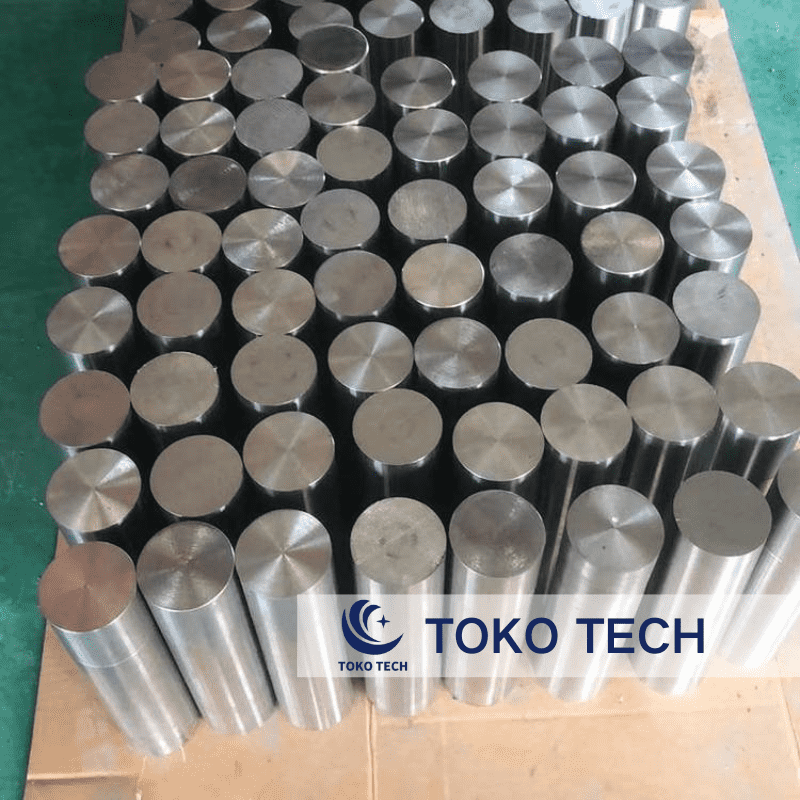
Stangen aus Nickellegierungen are critical components in modern industrial applications due to their exceptional resistance to corrosion, heat, and oxidation. From aerospace to petrochemical industries, these materials ensure structural stability and reliability even under extreme operating conditions. This comprehensive guide explores the key properties, industrial applicationsund manufacturing insights of nickel alloy bars, featuring Toko Technology Co. Ltd., a trusted global supplier from Shanghai, China.
Inhaltsübersicht
- 1. Introduction to Nickel Alloy Bars
- 2. Chemical Composition and Manufacturing Process
- 3. Physical and Mechanical Properties
- 4. Advantages of Using Nickel Alloy Bars
- 5. Industrial Applications of Nickel Alloy Bars
- 6. Toko Technology Co., Ltd. – Trusted Supplier of Nickel Alloy Bars
- 7. Summary Table
- 8. FAQs
- 9. Referenzen
1. Introduction to Nickel Alloy Bars
Nickel alloys are metal compounds composed primarily of nickel combined with other elements such as chromium, molybdenum, iron, and copper. These alloys are engineered to perform in highly demanding environments where conventional metals like carbon steel or aluminum would fail. Nickel alloy bars are extensively used in high-pressure systems, chemical processingund marine environments.
Why Nickel Alloy Bars Matter
- They provide exceptional resistance to oxidation und corrosive chemicals.
- They maintain structural integrity at extreme temperatures.
- They offer superior mechanical strength compared to other industrial metals.
2. Chemical Composition and Manufacturing Process
The performance of a nickel alloy bar largely depends on its chemical composition und production method. The manufacturing process begins with selecting high-quality raw materials that undergo precise melting, refining, and hot/cold forming.
Common Alloying Elements
- Chromium (Cr): Enhances oxidation resistance and corrosion protection.
- Molybdenum (Mo): Improves resistance against pitting and crevice corrosion.
- Iron (Fe): Contributes to mechanical strength and cost efficiency.
- Copper (Cu): Boosts resistance to acids and seawater corrosion.
- Titanium (Ti) and Aluminum (Al): Strengthen the alloy through precipitation hardening.
Manufacturing Steps
- Melting & Casting: High-purity raw materials are melted in a vacuum induction furnace.
- Hot Working: Bars are shaped through extrusion or rolling at elevated temperatures.
- Heat Treatment: Enhances ductility, hardness, and microstructural uniformity.
- Finishing: Final bars are ground, polished, or machined for precision.
3. Physical and Mechanical Properties
Stangen aus Nickellegierungen are celebrated for their unique balance of physical and mechanical properties, enabling them to perform reliably under high stress, pressure, and temperature conditions.
Key Properties Include:
- Melting Point: Typically between 1300°C and 1455°C depending on alloy type.
- Zugfestigkeit: 600–1000 MPa, ensuring high load-bearing capacity.
- Thermische Stabilität: Maintains performance in environments up to 1100°C.
- Korrosionsbeständigkeit: Excellent resistance to acids, alkalis, and seawater.
- Magnetic Properties: Some alloys (like Inconel) are non-magnetic.
4. Advantages of Using Nickel Alloy Bars
Nickel alloy bars offer numerous performance benefits compared to carbon steel or stainless steel materials.
- Hervorragende Korrosionsbeständigkeit: Suitable for marine, chemical, and offshore applications.
- High Temperature Strength: Performs reliably in furnaces and power plants.
- Low Maintenance Costs: Reduces replacement frequency and downtime.
- Excellent Fabrication: Easy to machine, weld, and form without losing integrity.
5. Industrial Applications of Nickel Alloy Bars
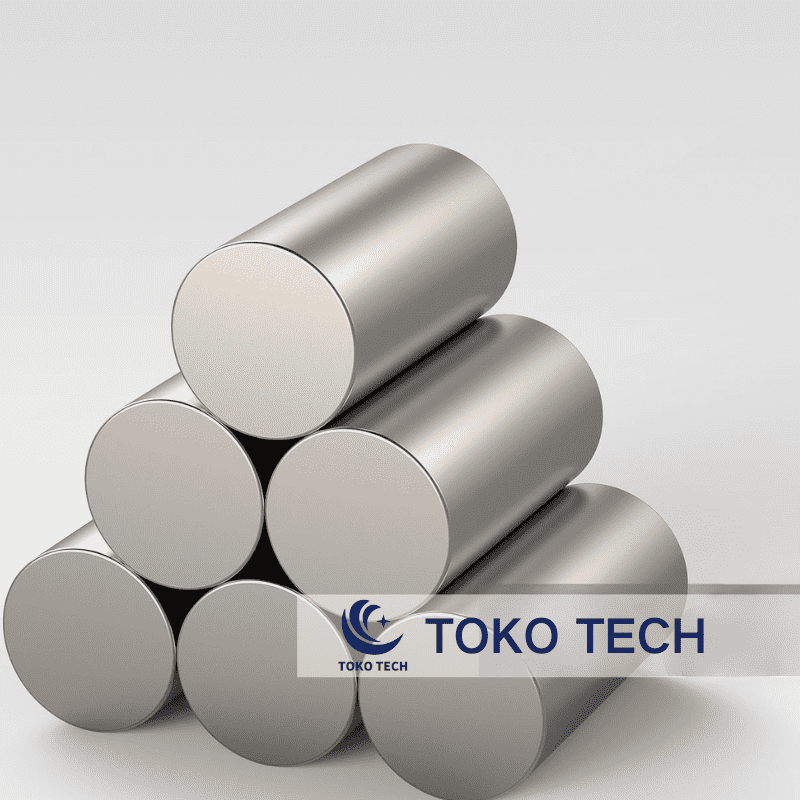
Nickel alloys are the backbone of several critical industries due to their unmatched performance characteristics. The following sectors rely heavily on nickel alloy bars for both structural and functional applications.
1. Öl- und Gasindustrie
- Used in downhole tools, valves, and pipelines exposed to corrosive fluids.
- Ideal for subsea and offshore environments.
2. Petrochemical Industry
- Used in heat exchangers, reactors, and chemical vessels handling high-temperature gases and acids.
3. Aerospace Engineering
- Nickel alloys like Inconel and Monel are used in turbine engines and exhaust systems.
4. Power Generation
- Critical components in gas turbines, nuclear reactors, and geothermal power systems.
5. Marine and Offshore Structures
- Resistant to saltwater corrosion and biofouling, making them perfect for shipbuilding and seawater systems.
6. Toko Technology Co., Ltd. – Trusted Supplier of Nickel Alloy Bars

Toko Technology Co. Ltd. is a leading manufacturer and exporter based in Shanghai, China. With over 11 years of industry expertise, the company specializes in nickel alloy bars, pipes, and fittings used across multiple global industries.
About the Company
- Experience: 11+ years in industrial piping systems.
- Zertifizierungen: ISO & PED certified manufacturing facilities.
- Export Markets: USA, Canada, Japan, Germany, France, Korea, Turkey, and more.
- Bediente Branchen: Oil & Gas, Petrochemical, Sugar Refining, Water Treatment, Geothermal, and Desalination.
Core Products
- Nickel Alloy Bar/Rod
- Nickel Alloy Seamless Pipe/Tube
- Nahtlose Rohre/Rohre
- Gewickelte Rohre / Steuerleitungsrohre
- Edelstahl-Rohrverschraubungen
- Geschweißte Rohre/Rohre
Company Vision and Mission
- Vision: Wir wollen ein hervorragender Anbieter von globalen industriellen Rohrleitungssystemlösungen sein.
- Auftrag: To support global pipeline construction with high-quality, China-made products.
7. Summary Table
| Merkmal | Nickel Alloy Bar Benefit |
|---|---|
| Korrosionsbeständigkeit | Excellent performance in acids, alkalis, and marine environments. |
| Heat Resistance | Stabile mechanische Eigenschaften bis zu 1100°C. |
| Stärke | Hohe Zugfestigkeit und Ermüdungsbeständigkeit. |
| Applications | Öl und Gas, Petrochemie, Luft- und Raumfahrt, Energie, Schifffahrt. |
| Beispiel für einen Lieferanten | Toko Technology Co. Ltd. - ISO & PED zertifizierter Hersteller aus China. |
8. FAQs
1. What is the main purpose of a nickel alloy bar?
Stäbe aus Nickellegierungen werden verwendet, um Festigkeit, Korrosionsbeständigkeit und Langlebigkeit in stark beanspruchten industriellen Umgebungen zu gewährleisten.
2. Are nickel alloy bars suitable for welding?
Ja, sie lassen sich hervorragend schweißen und können mit Standardtechniken verbunden werden, ohne ihre mechanische Integrität zu verlieren.
 German
  English
  Spanish
  Russian
  Turkish
  French
  Korean
  Italian